Can A Hysteroscopy Be Wrong? Understanding Accuracy & Limitations Can A Hysteroscopy Be Wrong? Understanding Accuracy & Limitations

Can A Hysteroscopy Be Wrong? Understanding Accuracy & Limitations

Hysteroscopy is a valuable tool for diagnosing uterine issues, but it’s not infallible. Understanding its accuracy and limitations can help ease concerns. Always feel empowered to discuss your questions with your doctor—your health matters.
Adenomyosis Hysteroscopy: Diagnosis Options and Treatment Paths Adenomyosis Hysteroscopy: Diagnosis Options and Treatment Paths

Adenomyosis Hysteroscopy: Diagnosis Options and Treatment Paths

Adenomyosis can be challenging, but understanding your options is the first step. Hysteroscopy offers a clear diagnosis and tailored treatment paths. Your journey matters, and open conversations with your healthcare provider can empower you every step of the way.
BV After Hysteroscopy: Effective Treatment for Quick Recovery BV After Hysteroscopy: Effective Treatment for Quick Recovery

BV After Hysteroscopy: Effective Treatment for Quick Recovery

Recovering from hysteroscopy can feel overwhelming, but effective treatments for BV can help you bounce back quickly. Understanding your options and communicating openly with your healthcare provider is key to a smooth recovery. You’re not alone—your well-being matters.
Can I Have a Bath After Hysteroscopy? Safe Hygiene Practices Can I Have a Bath After Hysteroscopy? Safe Hygiene Practices

Can I Have a Bath After Hysteroscopy? Safe Hygiene Practices

After a hysteroscopy, many women wonder about bath safety. It's important to prioritize hygiene to avoid infection. Always consult your doctor for personalized advice, but gentle showers are usually safer than baths during recovery. Your comfort matters!
What’s a Hysteroscopy For? Top 5 Reasons Doctors Recommend It What’s a Hysteroscopy For? Top 5 Reasons Doctors Recommend It

What’s a Hysteroscopy For? Top 5 Reasons Doctors Recommend It

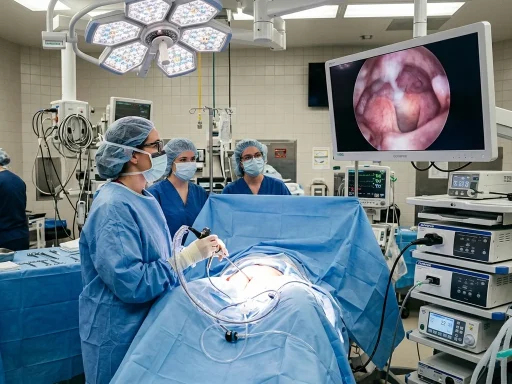
Hysteroscopy is a gentle procedure that allows doctors to look inside the uterus. It's often recommended for issues like unusual bleeding or fibroids. Understanding the top reasons for this test can help you feel more at ease and informed about your health journey.