
✨ This article was AI edited. Editorial responsibility: Hysteroscopy.info.
Produced with AI. This article was artificially generated. Editorial responsibility: Hysteroscopy.info.
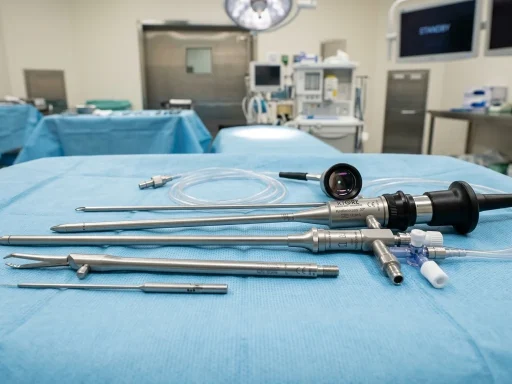
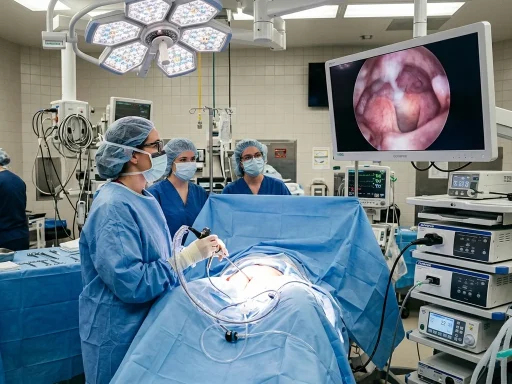
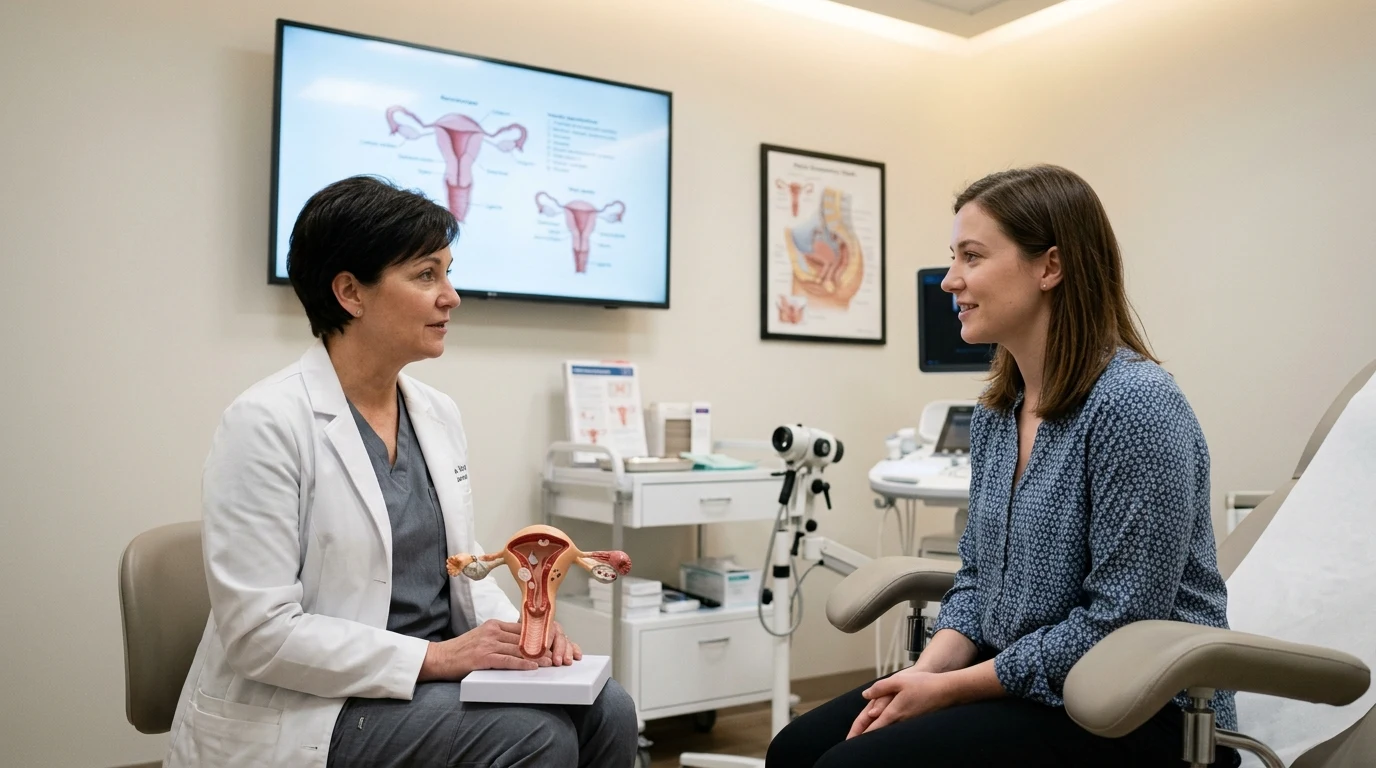
During a hysteroscopy, you will lie comfortably on an exam table while a physician gently guides a miniature, lighted optical telescope through your vagina and cervix into the uterus under warm saline distension. The active examination takes 5 to 15 minutes, during which you may feel mild menstrual cramping and observe the live images on a monitor.
Undergoing a medical procedure can feel daunting when you do not know what will happen minute by minute. Walking into your hysteroscopy appointment with a clear understanding of the clinical workflow, physical sensations, sensory environment, and communication with your healthcare team helps transform uncertainty into confidence and calm.
Minute-by-Minute: What Happens in the Procedure Suite
The clinical experience unfolds across five structured stages designed for comfort and efficiency:
| Procedure Stage | Duration | What You Experience | What the Medical Team Does |
|---|---|---|---|
| 1. Pre-Procedure Setup | 10 – 15 minutes | Changing into a gown, emptying bladder, reviewing consent forms. | Verifying identity, recording baseline vitals, preparing sterile instruments. |
| 2. Positioning & Cleansing | 3 – 5 minutes | Resting on the exam table with supportive footrests. | Gentle antiseptic cleansing of the perineum; applying sterile drape. |
| 3. Anesthesia / Numbing | 2 – 4 minutes | Mild pinch or pressure if a paracervical block is administered. | Injecting local lidocaine anesthetic around the cervix (if indicated). |
| 4. Endoscopic Inspection | 5 – 15 minutes | Sensation of mild menstrual cramping and cool or warm fluid sensation. | Guiding scope through cervix, expanding cavity with saline, inspecting lining. |
| 5. Post-Procedure Rest | 10 – 20 minutes | Gradual relief of cramping, resting in recovery chair with juice/water. | Monitoring recovery, reviewing findings, providing discharge instructions. |
Sensory Expectations: What You Will See, Hear, and Feel
Knowing what your senses will register during the appointment eliminates surprises:
- What You Will See: A modern, brightly illuminated procedure suite with an endoscopy tower. If you choose, a high-definition monitor will be angled toward you, allowing you to watch the live interior of your uterus alongside your doctor.
- What You Will Hear: The gentle hum of the fluid management pump, the soft click of surgical valves, and the continuous, reassuring voice of your physician and nurse narrating each step.
- What You Will Feel: Mild pressure during speculum placement (if used) and a mild to moderate cramping sensation—very similar to a menstrual period—when sterile saline gently distends the uterine walls.
Pain Management and Comfort Strategies
Multiple comfort strategies ensure that discomfort remains minimal throughout the procedure:
- Pre-Medication: Taking oral Ibuprofen (800mg) or Naproxen (500mg) 60 minutes before the appointment substantially reduces uterine prostaglandin release and cramping.
- Local Anesthesia Blocks: A fast-acting paracervical lidocaine injection numbs the sensory nerves supplying the cervix and lower uterine segment.
- Inhalation Analgesia: Many modern outpatient suites offer self-administered nitrous oxide (“laughing gas”), providing rapid anxiety relief and analgesia that wears off within minutes after the scope is removed.
- Conscious IV Sedation / General Anesthesia: Available for patients with severe anxiety, cervical stenosis, or those undergoing extensive operative resections.
Communication During the Procedure: Speaking with Your Team
You remain in control throughout an in-office hysteroscopy. Clinical teams encourage ongoing communication:
- Use a 1-to-10 Discomfort Scale: Tell your doctor if cramping exceeds a comfortable level so they can adjust fluid pressure or pause momentarily.
- Deep Breathing Exercises: Slow, diaphragmatic breathing (inhaling for 4 seconds, exhaling for 6 seconds) relaxes pelvic floor muscles, significantly easing scope entry.
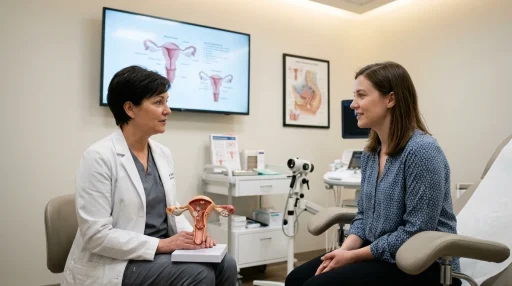
- Ask Questions in Real Time: Feel free to ask about structures visible on the monitor as your physician performs the panoramic cavity survey.
Frequently Asked Questions
Will I be awake during the hysteroscopy?
For most diagnostic and minor operative hysteroscopies performed in an office clinic, you are awake and alert under local anesthesia. For surgical hospital procedures, IV sedation or general anesthesia ensures you sleep through the entire intervention.
Can I bring a support person into the room?
Most outpatient clinics welcome a partner, friend, or family member to sit by your side, hold your hand, and provide emotional support throughout the exam.
When will I find out the results of my hysteroscopy?
Your physician will explain visual findings immediately following the procedure. If endometrial tissue biopsies or polyps were removed, laboratory pathology reports are typically available within 5 to 7 business days.
Read our full preparation advice in How to Prepare for Hysteroscopy: 7 Essential Steps and explore Hysteroscopy vs. Laparoscopy Comparison.
Clinical Staff Roles: Who Will Be in the Procedure Room?
A coordinated, specialized clinical team oversees your safety and comfort throughout the hysteroscopic procedure:
- The Gynecological Surgeon: Guides the endoscope, performs the systematic cavity examination, and executes any indicated micro-surgical treatments.
- The Procedure Nurse / Patient Advocate: Stands directly by your side at the head of the bed, monitoring your comfort, assisting with relaxation techniques, and providing real-time updates.
- The Circulating Nurse: Operates the automated fluid management system, documents fluid deficit measurements in real time, and handles sterile instruments.
- The Anesthesia Provider (If Sedated): In hospital or surgical center settings, a certified anesthesiologist or CRNA continuously monitors cardiac rhythms, blood pressure, and oxygen saturation.
Managing Procedural Anxiety: Evidence-Based Coping Strategies
Clinical psychology and patient comfort studies recommend the following non-pharmacological techniques to ensure a calm procedure:
- Guided Imagery & Audio Distraction: Wearing personal headphones with soothing music or guided meditation podcasts significantly lowers perceived pain levels during outpatient endoscopy.
- Box Breathing Technique: Inhale slowly for 4 seconds, hold for 4 seconds, exhale for 4 seconds, and hold for 4 seconds to activate parasympathetic vagal tone and diminish uterine cramping.
- Companion Presence: Having a supportive partner or friend present provides comfort and lowers heart rate during the exam.
Understanding Your Post-Procedure Discharge Summary
Before leaving the medical suite, your nurse will review a detailed written summary containing:
- Visual Findings Overview: A summary of whether any endometrial polyps, fibroid nodules, or structural irregularities were observed.
- Medication Instructions: Prescriptions for pain management (such as NSAIDs) or temporary antibiotic prophylaxis if tissue biopsies were performed.
- 24/7 Clinical Emergency Contact: Direct clinic phone numbers to reach an on-call triage nurse or physician in case of urgent post-procedure questions.
Get our latest guides, news, and insights highlighted in your Google Search & AI Overviews.