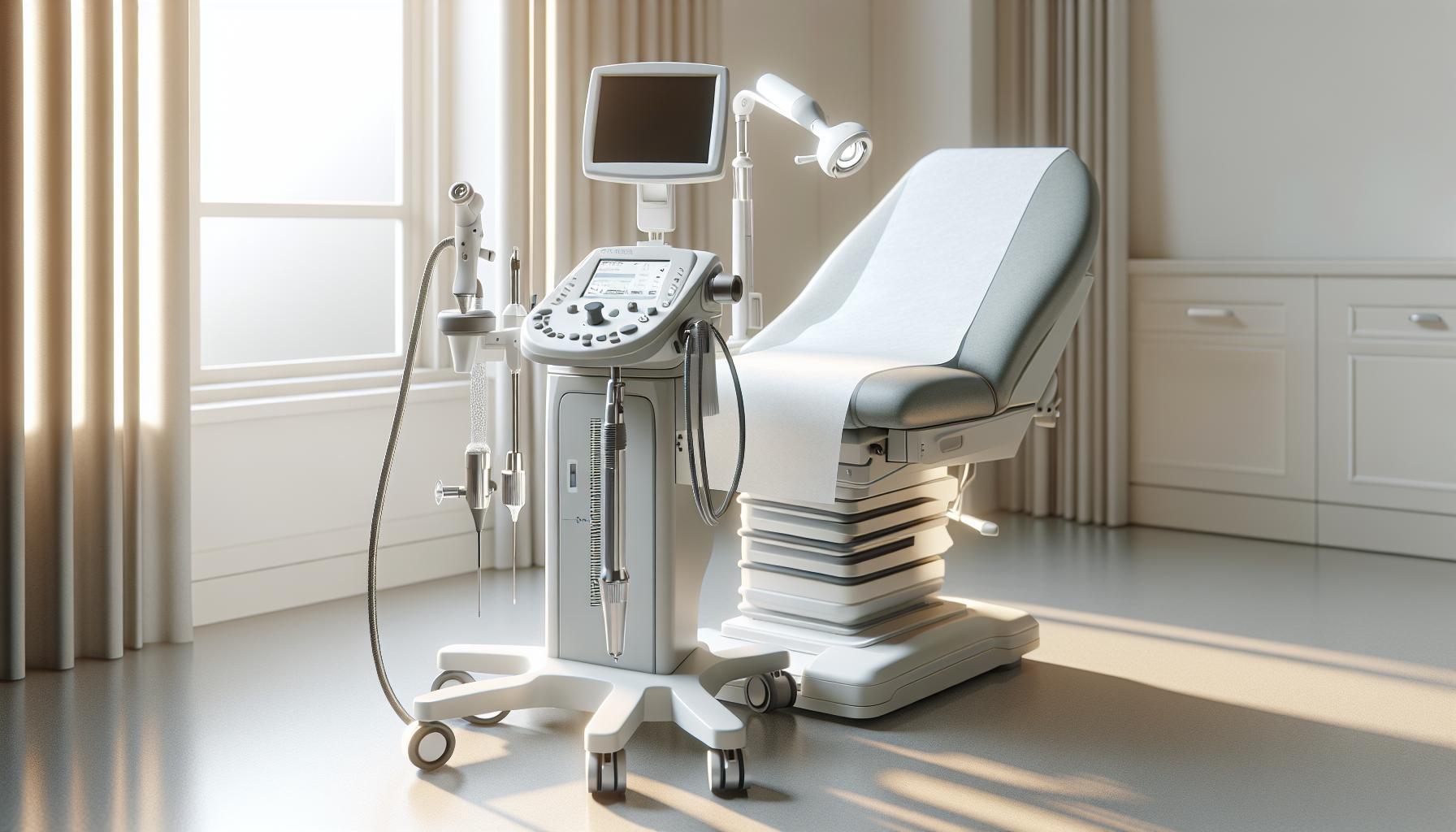
Navigating the journey toward conception can be challenging, especially after a hysteroscopy—a procedure that examines the uterus for potential issues. understanding the impact of this treatment on fertility is crucial for many couples hopeful for a baby. Recent findings suggest that, despite common concerns, the chances of pregnancy may improve post-hysteroscopy, offering renewed hope for many aspiring parents.
Understanding Hysteroscopy: A Step Towards Fertility
Hysteroscopy represents a notable advancement in the field of reproductive health, offering new hope for couples facing challenges in conception.This minimally invasive procedure allows fertility specialists to examine the interior of the uterus, identifying conditions that could impede pregnancy, such as polyps, fibroids, and intrauterine adhesions.By directly visualizing the uterine cavity, doctors can not only diagnose but also treat various issues that might affect implantation and overall reproductive success.
### The Procedure and its Benefits
During a hysteroscopy,a thin,lighted tube is inserted through the vagina and into the uterus,providing a clear view of the uterine lining. This approach has several advantages:
- Enhanced Diagnosis: Hysteroscopy can reveal abnormalities that may not be detected through conventional imaging methods.
- Immediate Treatment: If issues like fibroids or polyps are found, they can frequently enough be addressed during the same procedure, potentially improving outcomes for subsequent IVF attempts.
- Improved Pregnancy Rates: Studies indicate that women who undergo hysteroscopy before IVF may experience higher live birth rates, making it a valuable step toward conception.
### Evidence of Improved Outcomes
Research supports the effectiveness of hysteroscopy in enhancing fertility. A meta-analysis of various studies has shown that this procedure can substantially improve live birth rates among women struggling with infertility. The analysis highlights a marked increase in pregnancy success after undergoing hysteroscopy to address uterine conditions, thereby reinforcing its role as a pivotal step in fertility treatments3.Furthermore, fertility clinics, such as those at the University of Utah, emphasize the importance of ensuring a healthy uterine surroundings for embryo implantation. By incorporating hysteroscopy into the pre-IVF process, specialists can optimize conditions that are crucial for prosperous pregnancies2.
### Practical Considerations
For those considering hysteroscopy, it is essential to discuss the procedure with a qualified fertility specialist. They can provide insights on:
- The specific conditions that might be treated during the procedure.
- Expected recovery times and any potential risks involved.
- How the results of the hysteroscopy will inform further fertility treatment plans.
By understanding the role of hysteroscopy in enhancing reproductive outcomes, individuals and couples can take informed steps toward realizing their family dreams. This procedure not only sheds light on underlying issues but also creates a pathway for improved chances of pregnancy, embodying the notion of “new hope for conception.”
How Hysteroscopy can Uncover Underlying Issues
Hysteroscopy emerges as a critical tool in the evaluation of female infertility, providing insights into underlying reproductive issues that may hinder conception.The procedure involves the insertion of a thin, lighted tube through the cervix into the uterus, allowing for direct visualization. This capability is notably significant, as many factors contributing to infertility can remain hidden, masked by the normalcy of external examinations.
One prominent advantage of hysteroscopy is its ability to diagnose and treat conditions such as endometrial polyps,fibroids,and uterine scarring. These abnormalities can disrupt the normal uterine environment necessary for implantation and pregnancy. Studies have indicated that removing such obstructions through hysteroscopic methods can significantly enhance fertility, leading to improved pregnancy rates[1].
Moreover, hysteroscopy can identify uterine anomalies like septate uteri that might not be detectable through other imaging methods. Corrective procedures during hysteroscopy not only clarify the diagnostic picture but also allow for immediate intervention, potentially accelerating the patient’s journey towards conception. as an example, a woman diagnosed with a fibrous growth may undergo hysteroscopic resection, resulting in a clearer and more receptive uterine cavity for an embryo, thus enhancing her chances of pregnancy[2].In addition to improving outcomes, hysteroscopy offers unique benefits in terms of patient safety and recovery.The procedure is minimally invasive, typically requiring only local anesthesia and allowing for outpatient treatment. This factor not only reduces recovery times but also diminishes the likelihood of complications associated with more invasive surgical options.as noted by various health institutions, the importance of conducting hysteroscopy in a non-pregnant state is paramount; thus, proper pre-operative evaluations, including pregnancy tests, are standard procedures, ensuring the safety of the patient[3].
Ultimately, hysteroscopy serves as a beacon of hope, revealing crucial information about uterine health and addressing issues that could impede fertility. By proactively identifying and managing these underlying conditions, women can bolster their chances of pregnancy, ushering in a new chapter in their conception journey.
The Connection Between Hysteroscopy and Improved Pregnancy Rates
Studies indicate that women who undergo hysteroscopy to address uterine abnormalities often experience significantly improved chances of conception. This minimally invasive procedure enables healthcare providers to diagnose and treat conditions such as uterine polyps, fibroids, and Asherman’s syndrome, which can impede fertility. Many studies show a remarkable increase in pregnancy rates following hysteroscopy, suggesting that this procedure not only alleviates symptoms but also enhances the likelihood of successful conception.
How Hysteroscopy Enhances Fertility
During hysteroscopy, a hysteroscope—a thin, lighted tube—is inserted through the cervix into the uterus, allowing for direct visualization. This precision allows physicians to remove blockages and repair any abnormalities. As an example, women undergoing hysteroscopic polypectomy or myomectomy frequently enough see pregnancy rates soar to between 40% and 80% within a year of the procedure, depending on individual circumstances and the type of uterine issues addressed. Furthermore, treating Asherman’s syndrome can restore menstrual cycles and enhance fertility potential, providing new hope for women facing this complication.
An integral part of the increasing success rates post-hysteroscopy lies in its ability to clear the uterine lining, facilitating a more favorable environment for embryo implantation. The removal of obstructions and the correction of structural anomalies significantly improve not only the quality of the uterine cavity but also the overall reproductive outcomes for women planning to conceive.
Real-World Impact on Pregnancy Rates
The impact of hysteroscopy on fertility is underscored by numerous studies, highlighting its effectiveness in treating various uterine conditions:
| Uterine Condition Treated | Average Pregnancy Rate Post-Procedure |
|---|---|
| Uterine Polyps | 40% – 80% |
| Uterine Fibroids | 40% – 80% |
| Asherman’s Syndrome | Varies widely (dependent on severity) |
For couples trying to conceive, the procedure presents a pivotal step. Engaging with a fertility specialist after hysteroscopy can further enhance planning and increase the chances of success. Regular follow-up appointments and monitoring can also play a vital role in optimizing fertility post-procedure.
hysteroscopy serves as a beacon of hope for many women, marking a significant turning point in their fertility journey.By rectifying underlying issues and rejuvenating the uterine environment, women may soon find themselves on the path to achieving their dream of conception.
Preparing for Hysteroscopy: What to Expect
Preparing for a hysteroscopy can be a transformative step for many women on their journey to conception. This minimally invasive procedure not only allows for diagnostic insights but also can enhance the chances of pregnancy,making it an essential part of fertility evaluation. understanding what to expect and how to prepare effectively can ease anxiety and optimize the procedure’s benefits.Prior to your appointment, it is vital to schedule the hysteroscopy during a time when you are not menstruating, as this will provide clearer visibility for the doctor. Most healthcare providers suggest planning the procedure in the first half of your menstrual cycle. In preparation, you may be advised to take over-the-counter pain relief, such as ibuprofen or paracetamol, about an hour before the procedure to minimize discomfort during and after the hysteroscopy. Additionally, your physician may prescribe a sedative to help you relax during the process, which is crucial for a smoother experience.
During the procedure, a thin, lighted tube is inserted through the vagina and cervix into the uterus, allowing the doctor to visualize and sometimes treat conditions affecting your reproductive health. While the thought of undergoing this procedure may be daunting, rest assured that hysteroscopy has been linked to improved fertility outcomes. Many women report increased chances of conception following the removal of fibroids, polyps, or other abnormalities identified during the process.
Post-procedure,you may experience mild cramping or spotting,which typically resolves within a few days. It’s important to follow your healthcare provider’s post-operative instructions to maximize recovery and prepare for future pregnancy attempts.Engaging in discussions about your fertility goals with your physician can provide insight into how hysteroscopy could be a game-changer in your journey toward conception, aligning with the findings in studies related to the chances of pregnancy after hysteroscopy.
For a more structured overview,consider the following table summarizing the preparation tips and expectations:
| Preparation Tips | Expectations |
|---|---|
| Schedule during non-menstrual days | Procedure duration: 30 minutes to 1 hour |
| Take pain relief beforehand | Possible mild cramping and spotting |
| Discuss sedation options with your provider | Clear instructions for post-op care |
| Follow any specific pre-procedure guidelines | Potential for enhanced fertility after |
By equipping yourself with knowledge and preparation strategies,you can approach your hysteroscopy with confidence,paving the way for new hope in your journey towards conception.
What Happens After Hysteroscopy? Your Recovery Journey
Following a hysteroscopy, the experience of recovery can be an essential part of the journey towards improved reproductive health. Many individuals find themselves eager to understand how their bodies will respond after the procedure, especially when considering the chances of pregnancy after hysteroscopy. It is quite common to have questions about what to expect and how to care for oneself during the recovery phase.
Most women find that they can resume normal activities relatively quickly after the procedure. Many feel well enough to return to work the day after a hysteroscopy, while others may prefer to take a short period of rest depending on the complexity of their surgery or if they received a general anesthetic. experts suggest that if you experienced significant procedures, such as fibroid removal, a few days off could aid in your recovery.During this time,prioritizing rest and hydration is crucial.
In the days following your hysteroscopy, it is normal to experience some postoperative symptoms. Patients often report light cramping, occasional abdominal discomfort, and light bleeding that may last for several weeks. Hear’s what you might expect during your recovery:
- Light Vaginal Bleeding: You may notice light bleeding or spotting for a few weeks as your body heals. If the bleeding becomes heavy or you pass large clots,it is indeed advisable to contact your healthcare provider.
- Cramping: Mild cramping similar to menstrual cramps is common. Over-the-counter pain relief can help manage this discomfort.
- Emotional Well-being: It’s not uncommon for individuals to experience a range of emotions post-procedure,from relief to anxiety about future pregnancies.Consider seeking support from loved ones or professionals if needed.
Preparing for Future conception
The relationship between hysteroscopy and fertility can be an optimistic one.Many studies suggest that women who undergo hysteroscopy for issues such as fibroids or polyps may find improvements in their chances of conception. Following recovery, it’s frequently enough recommended to wait for a full menstrual cycle before attempting conception, allowing your body adequate time to heal. During this waiting period, focus on maintaining a healthy lifestyle which includes a balanced diet, regular exercise, and managing stress levels.
a well-managed recovery period not only promotes physical healing but also sets a favorable stage for potential pregnancy. Always follow your healthcare provider’s specific recommendations and reach out with any concerns or unusual symptoms. Your positive recovery experience can indeed lead to new hope for conception in the future.
Enhancing Your Chances: Tips for Post-Hysteroscopy Conception
Understanding how to optimize your chances of conception after a hysteroscopy can feel like navigating a complex maze, yet many couples find renewed hope on this journey. After undergoing hysteroscopy, which allows for a thorough examination and treatment of uterine issues, many patients report a significant betterment in their ability to conceive. Incorporating certain strategies post-procedure could further enhance fertility outcomes and set the stage for successful pregnancy.
Follow-Up Care and Dialog
Staying in touch with your healthcare provider is crucial.schedule follow-up appointments to monitor your recovery and discuss any concerns.This is also the perfect possibility to reassess your fertility plan. Tailored advice from your doctor can ensure that you are making informed choices about your next steps. Don’t hesitate to ask about timing for attempts at conception, as your doctor may suggest waiting for a set period post-hysteroscopy to allow your body to heal properly.
Optimize Your Fertility Health
Along with following medical advice, consider your lifestyle choices. factors such as diet,exercise,and stress management can significantly impact your fertility. Here are some practical steps to enhance your overall reproductive health:
- Maintain a Healthy Weight: Both underweight and overweight conditions can adversely impact fertility. Aim for a balanced diet rich in fruits, vegetables, whole grains, and lean proteins.
- Stay Active: Regular physical activity not only helps in weight management but also improves blood circulation and reduces stress.
- Reduce Stress: Engage in stress-relief practices like yoga, meditation, or breathing exercises to create a more conducive environment for conception.
Timing and Tracking
Understanding your menstrual cycle is key to improving your conception chances. Track ovulation to identify your fertile window. Ovulation predictor kits, basal body temperature charting, or fertility apps can help you pinpoint ovulation more accurately.Engaging in regular intimacy during your fertile days can maximize your chances of pregnancy following the optimism brought by hysteroscopy.
Incorporating these tips not only aligns with the hopes associated with the chances of pregnancy after hysteroscopy but also creates a supportive environment for you and your partner as you embark on this hopeful path to parenthood.
Personal Stories: Hope and Healing After Hysteroscopy
Sharing experiences of hope and healing after a hysteroscopy can illuminate the path for many women navigating their reproductive health. Numerous individuals recount their journeys following this procedure, which is often a critical step towards improving fertility and enhancing chances of conception. Many women have reported revitalized optimism regarding their ability to conceive post-hysteroscopy, finding solace in the stories of others who faced similar challenges.
A striking example includes Rachel, who had long struggled with irregular cycles and unexplained infertility. After undergoing a hysteroscopy, she discovered the presence of uterine polyps. Once these were removed, Rachel experienced a significant shift in her reproductive health. the following months, her cycles normalized, and within six months, she joyfully discovered she was pregnant. Rachel attributes this success to the clarity she gained from her hysteroscopy, which ultimately led her to the right treatment path.
Another inspiring story comes from Lisa, who faced recurrent miscarriages. After her hysteroscopy, her doctor identified and treated a uterine septum, a structural issue that can hinder pregnancy. Post-procedure, Lisa felt empowered and hopeful, sharing, “I realized that knowledge is power. The hysteroscopy gave me the answers I desperately needed.” With targeted treatment following her procedure,lisa successfully carried her pregnancy to term,celebrating the birth of her daughter a year later.
These narratives emphasize the vital role that hysteroscopy can play in the journey to motherhood.Women are encouraged to view this procedure not as an end, but as a beginning—an opportunity for healing and renewed hope. Engaging with community support groups or online forums, where many share their stories of success and their pathways to becoming parents, can provide additional encouragement and insight. The prospect of enhanced chances of pregnancy after hysteroscopy often begins with the first step of the journey,bringing new hope for those combating fertility issues.
When to Consult Your Doctor: Signs to Watch For
It’s crucial to recognize the signs that may indicate the need for medical consultation following a hysteroscopy, especially if your focus is on understanding the chances of pregnancy after this procedure. Hysteroscopy, while generally safe, comes with potential issues that could affect your reproductive health, making awareness essential.
One key sign to watch for is persistent abdominal pain or cramping that doesn’t subside after a few days. while some discomfort is normal following the procedure, severe or escalating pain may signal complications such as infection or injury. If you experience heavy bleeding—more than what is typical during your menstrual cycle—seek medical advice promptly. Heavy bleeding can indicate issues like retained tissue or complications from the procedure.
Additionally, watch for symptoms associated with infection, such as fever, chills, or unusual discharge that may have a foul odor.These symptoms warrant immediate consultation, as infections can severely impact your healing process and future chances of conception. Monitoring your emotional and mental well-being is equally important; feelings of anxiety or depression after the procedure could also indicate the need for professional support.
being aware of these signs can provide clarity on when to reach out to your healthcare provider.Early intervention not only addresses potential complications but also ensures that your journey toward conception remains hopeful and informed, further enhancing the chances of pregnancy after hysteroscopy. Remember, your health is paramount, and staying in touch with your doctor post-procedure can help you navigate any concerns effectively.
Embracing Your Fertility Journey: Finding Support and Resources
Navigating the fertility journey can feel overwhelming,especially for those who have undergone procedures like hysteroscopy. Many individuals are left wondering about their options and support systems following such medical interventions. Understanding the chances of pregnancy after hysteroscopy can provide new hope for conception. This pivotal procedure often addresses issues within the uterus that may hinder pregnancy, making it a crucial step for many aspiring parents. Though, it’s essential to know that emotional and physical support is just as vital as the medical aspects.
Achieving a successful pregnancy isn’t solely about medical interventions—it’s equally about emotional well-being and community support. Connecting with organizations dedicated to reproductive health can make a significant difference. Resources such as RESOLVE: The National Infertility Association offer support groups where members can share experiences and coping strategies. Participants often report that after just a few sessions, they feel more empowered to manage their fertility challenges[[[[[2](https://resolve.org/)].
Moreover, supplementing your journey with targeted nutritional support can enhance reproductive health. As an example,products formulated specifically for fertility contain essential vitamins and nutrients that may improve your overall reproductive wellness. Brands like Perelel and Nordic Naturals provide fertility support supplements designed to help women balance their hormonal health and prepare their bodies for conception[[[[[1](https://perelelhealth.com/products/fertility-support?srsltid=AfmBOor3yh5wM5Y)][[[[[3](https://www.nordic.com/products/fertility-support/)].These options can be an excellent complement to the hope offered by medical interventions like hysteroscopy.
Building a solid support network is crucial. Here are actionable steps to help you find and embrace the support you need in your fertility journey:
- join Support Groups: seek local or online support groups through organizations like RESOLVE.
- consult with Professionals: Reach out to fertility coaches or counselors who specialize in emotional wellness.
- Educate Yourself: Research fertility-related topics and stay informed about your options.
- Connect with Community: Engage with social media groups where individuals share their journeys and support each other.
By actively seeking support and resources, you can better navigate the emotional landscape following hysteroscopy—a procedure that offers new hope for conception. embracing these opportunities will not only strengthen your resolve but also enhance your chances of success on this profoundly personal journey towards parenthood.
Frequently asked questions
what is hysteroscopy and how does it relate to conception?
Hysteroscopy is a minimally invasive procedure that allows doctors to examine the inside of the uterus using a thin tube with a camera.This procedure can help identify any issues that may affect fertility, such as polyps or fibroids, thereby improving the chances of pregnancy.
By diagnosing and treating abnormalities within the uterus, hysteroscopy can enhance the overall health of the reproductive system. Research indicates that correcting uterine problems can lead to better outcomes for women trying to conceive, marking it as a valuable tool in the journey towards motherhood.
Can hysteroscopy improve my chances of pregnancy?
yes, hysteroscopy can improve your chances of pregnancy by addressing issues within the uterus. Studies show that procedures performed during hysteroscopy, like the removal of polyps, can significantly increase fertility rates.
With conditions like endometrial polyps treated effectively, women often experience higher success rates in becoming pregnant. This makes hysteroscopy an essential process for those facing challenges in conception.learn more about the procedure here.
why might a doctor recommend hysteroscopy before IVF?
A doctor may recommend hysteroscopy before In Vitro Fertilization (IVF) to ensure a healthy uterine environment. identifying and treating any potential issues can improve the chances of a successful implantation during IVF.
conditions such as uterine abnormalities can hinder the success of IVF. Thus, hysteroscopy acts as a preparatory step to optimize conditions for conception, leading to more favorable outcomes in reproductive treatments.
What are the risks of hysteroscopy?
While hysteroscopy is considered safe, it does carry some risks, including infection, heavy bleeding, or perforation of the uterus. However, these complications are rare.
It’s essential to discuss any concerns with your healthcare provider prior to the procedure. Understanding the risks and benefits will help you feel more agreeable with your decision and the potential for improving your chances of pregnancy.
How soon after a hysteroscopy can I try to conceive?
Most women can try to conceive as soon as their menstrual cycle returns to normal,typically within a few weeks after the procedure. Your doctor will provide specific guidelines based on your individual case.
Each woman’s recovery is different, so listening to your body and following your doctor’s advice is crucial. Ensuring your uterine health through hysteroscopy may boost your chances of a successful pregnancy.
What should I expect during recovery from hysteroscopy?
Recovery from hysteroscopy is usually fast, with most women experiencing light bleeding or cramping for a few days. It’s advisable to rest and avoid strenuous activities.
Monitor your recovery closely and communicate any concerns to your healthcare provider. Keeping track of how your body responds will ensure you’re ready for the next steps in your journey toward conception.
What are the possible outcomes of a hysteroscopy?
Successful hysteroscopy may lead to improved fertility by treating uterine abnormalities, which can significantly enhance your chances of pregnancy.
Many women report feeling hopeful and more empowered after the procedure, as resolving these reproductive health issues can lead to increased confidence in the journey to conception. Consult with your doctor to understand the specific implications for your situation.
Concluding Remarks
understanding the chances of pregnancy after hysteroscopy is crucial for many women seeking to conceive. Studies have shown that procedures like hysteroscopic polypectomy can significantly enhance fertility, with some findings indicating a 50% higher success rate for women trying to get pregnant after the removal of endometrial polyps[1[1[1[1][2[2[2[2]. Hysteroscopy serves as a valuable tool for diagnosing and treating conditions that could hinder conception, offering new hope for those facing challenges in their fertility journey.
If you have concerns about your reproductive health or questions regarding the hysteroscopy process, it’s important to discuss them with your healthcare provider.Open communication can help you understand your options and feel more empowered in your decision-making. Remember, you are not alone in this journey, and there are supportive resources available to help you explore your path to conception. For more information and personal stories, we encourage you to continue exploring our resources and connect with others who are walking a similar path.
Get our latest guides, news, and insights highlighted in your Google Search & AI Overviews.