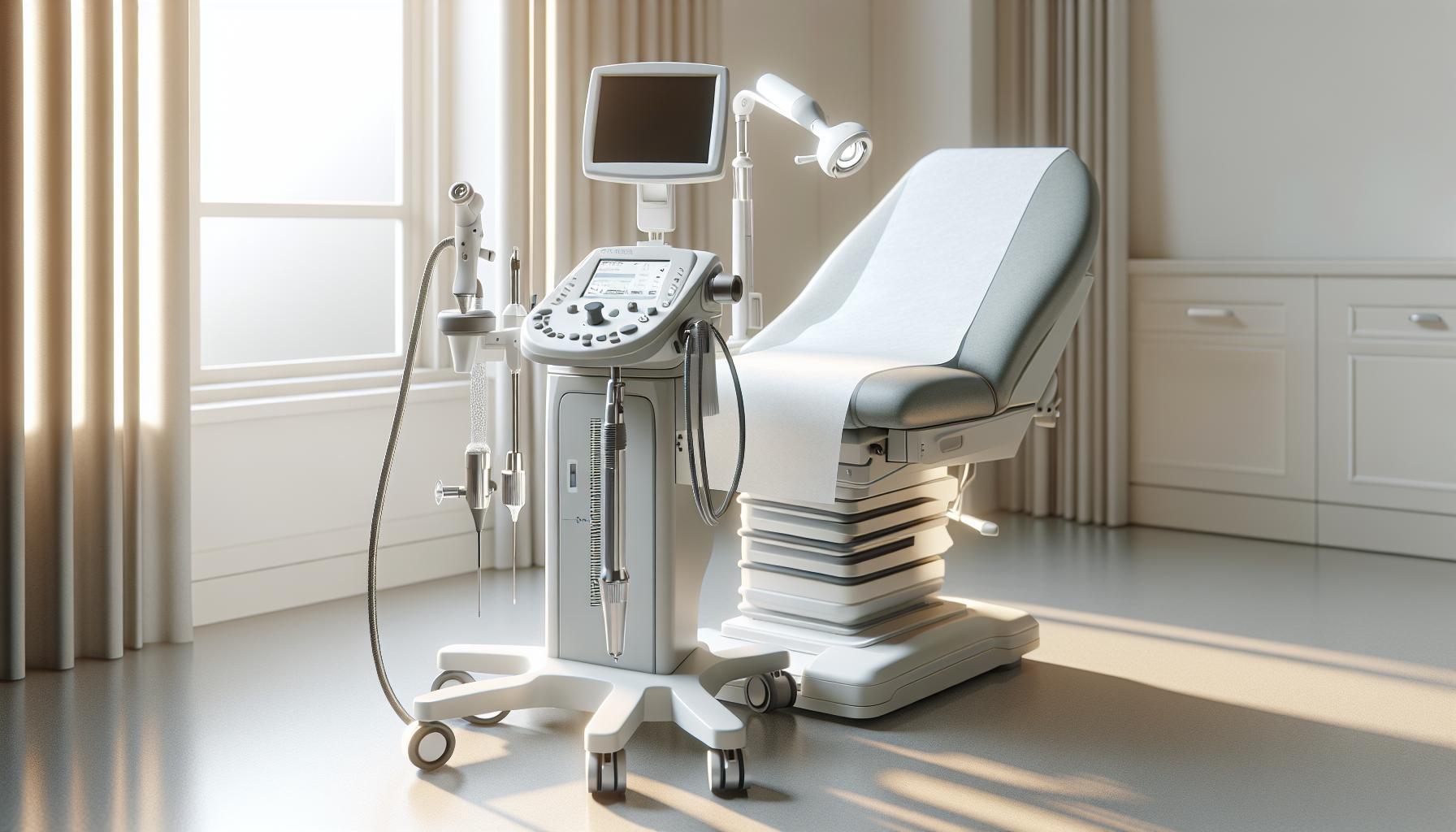
facing a hysteroscopy can be daunting, especially when you’re left wondering about the level of discomfort involved. Understanding the pain associated with this procedure is crucial for anyone preparing for it. In this article, we’ll explore honest insights into the experience, along with effective pain management tips to help ensure a smoother process.
Understanding Hysteroscopy: What It Is and Why It’s Done
A hysteroscopy is a minimally invasive procedure that allows healthcare providers to visualize the inside of the uterus using a thin, lighted tube called a hysteroscope. This procedure has gained popularity due to its formidable diagnostic and therapeutic capabilities, making it a fundamental tool in gynecological practice. Understanding this procedure can help alleviate concerns about its purpose, process, and potential discomfort after surgery, as often expressed in discussions around “How Painful Is A Hysteroscopy? Honest answers & Pain Management Tips.”
The Purpose and benefits of Hysteroscopy
Hysteroscopy serves multiple functions, primarily focused on diagnosing or treating various uterine conditions. These may include:
- Investigating abnormal bleeding, such as heavy periods or spotting between periods
- Identifying uterine abnormalities, such as fibroids, polyps, and adhesions (asherman’s syndrome)
- Evaluating the interior of the uterus for signs of infection or cancer
- Performing surgeries such as polypectomies or myomectomies to remove abnormalities
By utilizing hysteroscopy, clinicians can offer targeted treatment, often in the same session, which can significantly reduce recovery times and avoid the need for more invasive surgical procedures.
How Is a Hysteroscopy Performed?
The procedure typically involves the following steps:
1. The patient is positioned comfortably, usually lying on an examination table.
2.A local, regional, or general anesthetic may be administered, depending on the complexity of the procedure and patient-specific factors.
3. The hysteroscope is gently inserted thru the vagina and cervix into the uterus.
4.The physician will then fill the uterus with a sterile fluid, which expands the uterine cavity for better visibility.5. Visual images are relayed to a monitor as the clinician examines and, if necessary, treats detected abnormalities.
One of the advantages of hysteroscopy is that it is indeed frequently enough performed as an outpatient procedure, allowing most women to return home on the same day.
What to Expect After a Hysteroscopy
Post-procedure discomfort can vary widely among individuals. Some may experience mild cramping or spotting, while others might face more notable discomfort. To better manage these potential side effects,it’s pivotal to understand pain relief options as highlighted in “How Painful Is A Hysteroscopy? Honest Answers & Pain Management Tips.”
| Pain Management Tips | Description |
|---|---|
| Over-the-counter Pain Relievers | Medications like ibuprofen or acetaminophen can definitely help manage mild to moderate pain. |
| Heat Request | Using a heating pad on the lower abdomen can definitely help alleviate cramps. |
| Rest and Hydration | Taking time to rest and staying hydrated aids the recovery process. |
By recognizing what hysteroscopy involves and being informed about pain management strategies, patients can approach this procedure with greater confidence and ease, ultimately enhancing their overall healthcare experience.
The Pain Experience: What Patients Really Feel During a Hysteroscopy
Many patients embarking on the journey of a hysteroscopy often find themselves in a whirlwind of emotions, ranging from anxiety to curiosity. Understanding the pain experience associated with this procedure can be pivotal in helping individuals prepare both physically and mentally. While every person’s experience may vary, gathering insights can provide a clearer viewpoint on what to expect and how to cope.
During a hysteroscopy, the level of discomfort varies significantly among patients. Some report mild discomfort akin to menstrual cramps, while others may experience more intense pain. A few factors influence this variance, including the type of hysteroscopy performed (diagnostic vs. operative), individual pain thresholds, and the number of biopsies taken or polyps removed. Here’s a breakdown of some common sensations experienced by patients during the procedure:
Common Sensations During Hysteroscopy
- Cramping: Many patients describe cramping that can feel similar to period pain. This discomfort can arise as the instruments are inserted and manipulated within the uterus.
- Pressure: A feeling of pressure in the pelvic area is often reported.This sensation may stem from the distension of the uterus with fluid or gas used during the procedure.
- Sharp Pains: Some women experience brief moments of sharp pain, especially if there is manipulation of the cervix or if biopsies are being taken.
- Discomfort Post-Procedure: After the hysteroscopy, light cramping may persist, alongside some spotting. However, this typically subsides within a few days.
Understanding that various pain management options exist can empower patients facing this procedure. Prior to undergoing hysteroscopy, it’s advisable to discuss pain management strategies with a healthcare provider. Common recommendations include the use of over-the-counter pain relievers such as ibuprofen or acetaminophen, which can be taken beforehand to help mitigate discomfort. For those with heightened anxiety surrounding the procedure, sedation options might be available, which can significantly reduce awareness and perception of pain during the hysteroscopy.
Patient Experiences
| Patient Testimonial | Pain Level (1-10) | Comments |
|---|---|---|
| “It felt like bad cramps, but the procedure was rapid.” | 5 | manageable pain; followed by some light spotting. |
| “I was really nervous but found the pressure uncomfortable rather than painful.” | 3 | The staff were supportive, which made a big difference. |
| “It was quite painful when they took a biopsy, but it lasted only a few seconds.” | 7 | Glad I took pain relievers beforehand! |
Each patient’s account emphasizes the importance of preparing mentally and understanding that pain levels can fluctuate. Ultimately, gearing up for a hysteroscopy with an informed perspective can empower those undergoing the procedure, transforming a perhaps intimidating experience into a more manageable one.
Factors Influencing Pain Levels: Individual Differences and Procedures
Understanding the factors that influence pain levels during procedures like hysteroscopy is crucial for both patients and healthcare providers.Individual differences play a significant role in pain perception, meaning that two people can experience the same procedure very differently. Several elements contribute to this variation, including emotional state, previous experiences with pain, and biological factors such as genetics and pain thresholds.
Individual Differences that Affect Pain Perception
the emotional context surrounding a medical procedure can significantly amplify or diminish pain sensations. For example, patients who have anxiety about a hysteroscopy may report higher pain levels compared to those who feel relaxed and well-informed about the process. Personal pain history is another critical factor; individuals who have previously endured painful medical experiences may be more sensitive during new procedures. Biological differences, such as hormonal levels and genetic predispositions to pain, also might dictate how one feels during the procedure.
Procedural Factors Impacting pain Levels
in addition to individual differences, the specific techniques and technologies used during a hysteroscopy can influence pain experiences. Factors such as the type of anesthesia, the skill of the operator, the duration of the procedure, and the patient’s overall physical condition can create variances in pain levels. For instance:
- Type of Anesthesia: Local versus general anesthesia can make a significant difference in how much discomfort a patient feels.
- Operator Experience: A more experienced operator may complete the procedure more swiftly and efficiently, potentially reducing pain.
- Procedure Duration: Longer procedures typically correlate with increased discomfort.
To help mitigate pain during a hysteroscopy,it’s recommended that patients discuss pain management strategies with their healthcare team beforehand. These might include the use of analgesics prior to the procedure, relaxation techniques, and a thorough pre-procedure consultation to address any concerns.
| Factor | Influence on Pain |
|---|---|
| Emotional State | High anxiety can increase pain perception. |
| Previous Pain Experiences | Prior negative experiences can heighten sensitivity. |
| type of Anesthesia | Local anesthesia may result in different pain levels than general anesthesia. |
| Operator Skill Level | More skilled operators may reduce procedure time and discomfort. |
understanding the interplay of individual differences and procedural factors can empower patients to better prepare for their hysteroscopy, potentially leading to a more manageable pain experience. Discussing these aspects with healthcare professionals can facilitate a tailored approach to pain management, improving outcomes and easing the overall anxiety surrounding the procedure.
Effective Pain Management Strategies: What You Can Do Before, During, and After
Understanding effective pain management strategies can greatly enhance your comfort and well-being, especially in the context of procedures like hysteroscopy. Preparing for potential discomfort, knowing what to expect during the procedure, and aftercare are crucial steps that can lead to a more positive experience. Many patients have expressed concerns about the pain associated with hysteroscopy, making it essential to approach this situation with practical strategies.
Before the Procedure
Planning is key to minimizing pain during and after hysteroscopy. Here are some strategies to consider:
- Discuss Options with Your Doctor: Have an open conversation with your healthcare provider about pain management options tailored to you.This could include sedation or local anesthesia.
- Relaxation Techniques: Engage in relaxation practices, such as deep breathing exercises or meditation, to help calm your mind and reduce anxiety before the procedure.
- Plan Ahead: Arrange for someone to accompany you and assist you post-procedure. Having support can alleviate stress and provide necessary care.
During the Procedure
While the procedure may involve discomfort, there are ways to manage this:
- Effective Communication: Inform your healthcare provider if you experience significant pain during the hysteroscopy. They may adjust the anesthesia or techniques to enhance your comfort.
- Breathing Techniques: Practice controlled breathing to help manage acute discomfort. Focus on inhaling deeply and exhaling slowly, which can distract from pain.
After the Procedure
Post-procedure care is vital for a smoother recovery and pain relief:
- Apply Heat: Use a heating pad on your abdomen to relieve cramping and discomfort. This traditional remedy can significantly ease pain after the procedure.
- Over-the-Counter pain relief: Consider taking pain medication as recommended by your provider to help manage discomfort.
- Rest and Recovery: Allow yourself time to recover. Avoid strenuous activities for at least a few days to facilitate healing.
Employing these pain management strategies can significantly enhance comfort and recovery after undergoing a hysteroscopy. Each step is designed to address potential discomfort proactively,thereby empowering you to navigate this experience with more confidence. Make sure to consult with your healthcare provider for personalized advice tailored to your individual situation surrounding the question, “How Painful Is a Hysteroscopy? Honest Answers & Pain Management Tips.”
Communicating with Your Doctor: How to Express Your Concerns About Pain
When facing a medical procedure like hysteroscopy, understanding and managing pain is critical. Many individuals may hesitate to discuss their discomfort openly, fearing they might be perceived as a bother or that they lack credibility. However, effective communication with your healthcare provider is essential for devising a pain management plan that works for you. Here are some strategies to clearly express your concerns and ensure you receive the best care possible.
Be Prepared: Know Your Pain
Prior to your appointment, take some time to evaluate your pain. Consider these points:
- Intensity: Rate your pain on a scale of 1 to 10, where 1 is minimal discomfort and 10 is the worst pain imaginable.
- Type: Describe the pain. Is it sharp, dull, throbbing, or burning?
- Duration: Explain how long you’ve been experiencing this pain and if it fluctuates.
- Triggers: Identify any specific activities or positions that exacerbate the pain.
Having this data at hand makes your concerns more tangible and helps your doctor understand the seriousness of your situation.
Open the Conversation
When you sit down with your doctor, it’s crucial to create an habitat where you feel cozy sharing your experiences. Start with an open statement such as, “I’d like to discuss my concerns about potential pain related to my hysteroscopy.” This invites dialog and makes it clear that you want to engage in a cooperatively in your healthcare journey.
It’s helpful to maintain a collaborative tone throughout your discussion by asking questions like:
- “What is the typical pain level associated with this procedure?”
- “Are there specific pain management strategies you recommend for someone with my experience?”
- “How can we monitor my pain during the procedure?”
This approach underscores your proactive stance while encouraging your healthcare provider to offer insights tailored to your needs.
Follow-Up After the Procedure
after undergoing hysteroscopy, don’t hesitate to reach out to your doctor if you feel discomfort. Be specific about your pain levels and how they compare with the expectations set prior to the procedure. Consider documenting your symptoms in a simple table for clarity:
| Date | Pain Level (0-10) | Type of Pain | What Helped? |
|---|---|---|---|
| MM/DD/YYYY | X | Sharp/Dull | Medication/Rest |
| MM/DD/YYYY | X | Throbbing/Burning | Heat/Ice Therapy |
By recording this information,you can provide your doctor with detailed insights into your recovery,ensuring that any necessary adjustments to your pain management plan can be made efficiently. Remember, your well-being is a priority, and effective communication is key in achieving that.
Relaxation techniques: Approaches to Reduce anxiety Before Your Procedure
feeling anxious before a medical procedure,such as a hysteroscopy,is entirely normal,but there are effective ways to manage that anxiety and promote relaxation. Understanding how to invoke the relaxation response can significantly impact your overall experience. Engaging in relaxation techniques not only alleviates immediate stress but also prepares you mentally for what to expect with the procedure, as outlined in the article “How painful Is A Hysteroscopy? Honest Answers & Pain Management Tips.”
Breathing Techniques
One of the simplest yet most profound techniques is focused breathing. By taking purposeful, deep breaths, you can slow your heart rate and calm your mind. Here’s a basic approach to get started:
- Find a comfortable position, either sitting or lying down.
- Close your eyes and take a slow, deep breath in through your nose, filling your lungs.
- Hold your breath for a moment.
- Exhale slowly through your mouth,letting any tension release.
- Repeat this process for several minutes, focusing solely on your breath.
This technique can be performed anywhere, making it highly accessible during the moments leading up to your procedure.
Visualization
Visualization is another powerful tool. This technique involves imagining a serene scene or a positive outcome, which can distract you from anxiety. You might visualize a tranquil beach, a flowering meadow, or even the successful completion of your procedure. by focusing on the details of this peaceful scenario, you help reduce feelings of anxiety and create a calming mental space.
Progressive Muscle Relaxation
Progressive muscle relaxation (PMR) allows you to release physical tension that accompanies anxiety.Start from your toes and work your way up, tensing each muscle group for a few seconds before releasing. Such as, clench your toes, hold for a count of five, and then let go. Then move to your calves, thighs, and continue up the body.This practice enhances body awareness and promotes deep relaxation, helping mitigate discomfort associated with a hysteroscopy.
Incorporating Mindfulness
Mindfulness practices, such as meditation or yoga, can also be beneficial. These methods encourage you to stay present in the moment, allowing you to acknowledge any anxious thoughts without letting them dictate your feelings.Regular mindfulness practice helps cultivate a sense of calm, potentially transforming your experience before, during, and after the procedure.
By integrating these relaxation techniques into your pre-procedure routine, you can definitely help lessen your anxiety and approach your hysteroscopy with a more tranquil mindset. Engaging in such practices contributes positively to your overall wellbeing and can enhance your experience, as discussed in the insights from “How Painful Is A Hysteroscopy? Honest Answers & Pain management Tips.”
Support Networks: Finding Comfort Through Community and Shared Experiences
Feeling isolated or overwhelmed while preparing for or recovering from a hysteroscopy can be incredibly common. Understanding that you are not alone in this experience can be both comforting and empowering. Support networks—comprised of friends, family, or community members—play a pivotal role in navigating the emotional and physical challenges associated with medical procedures, such as understanding how painful a hysteroscopy can be and learning effective pain management techniques.
Finding Your Community
Connecting with others who have undergone similar experiences can provide invaluable insights and emotional support. Consider joining online forums or local support groups focusing on women’s health. These platforms allow individuals to share their stories, tips on coping with pain, and personal recovery experiences, turning potentially daunting medical journeys into shared ones. having a more extensive support network can alleviate feelings of anxiety, fear, and isolation as participants exchange advice on what to expect and how to manage post-procedure discomfort.
Practical Steps for Engaging with Your Support Network
To make the most of your support network, consider these actionable steps:
- Identify Trusted Individuals: Reach out to friends or family members who have shown an understanding nature or have had similar experiences.
- Utilize Social Media: Engage in groups focused on women’s health or specific conditions related to hysteroscopy to gain insights and support.
- Attend Workshops: Look for local workshops or seminars that address women’s health issues, where you can meet others and gather vital information.
- Share Your Journey: Be open about your feelings and experiences. Sharing your story can encourage others to share theirs, fostering a supportive environment.
remember, these connections can provide emotional comfort as well as practical advice on how to manage pain effectively after a hysteroscopy. Many individuals find that hearing firsthand accounts of other women’s experiences helps demystify the process and prepares them better for their own journey.
By actively engaging with a network of support,you can find comfort through community and shared experiences. this not only aids in coping with the pain of a hysteroscopy but also enhances your overall well-being as you navigate this important aspect of your health.
When to seek Help: Recognizing Abnormal Pain and What To Do Next
Understanding the nuances of pain management during medical procedures can empower patients to make informed decisions regarding their health. During a hysteroscopy, while some discomfort is expected, it’s crucial to differentiate between normal post-procedural pain and symptoms that warrant further investigation. Awareness of your body’s signals is essential, especially when navigating through recovery after such interventions.
Recognizing when pain crosses the threshold into a warning sign can be pivotal. Here are some key indicators that you shoudl seek help:
- Severe Pain: If the discomfort escalates to extreme levels that persist beyond the expected duration or intensity.
- Prolonged Symptoms: Pain that lasts longer than a week post-hysteroscopy may indicate underlying issues.
- Accompanied Symptoms: Observing other unusual symptoms, such as fever, heavy bleeding, or foul-smelling discharge, could suggest an infection or complications.
- Changes in Mood or Functionality: If pain significantly impacts your daily activities or mental well-being,reaching out for support is vital.
In light of these factors, if you experience any concerning signs, contact your healthcare provider without delay. Your doctor will likely assess your symptoms through a thorough examination, and potentially order diagnostic tests such as an ultrasound or blood work to rule out complications. Having open communication facilitates prompt intervention, ensuring your recovery remains on track.
### Immediate Actions to Take
If you find yourself grappling with abnormal pain post-hysteroscopy, consider these actionable steps:
Document Your Pain
Keep a pain diary detailing:
- The location and type of pain (sharp, dull, throbbing)
- Duration and timing of pain episodes
- Any accompanying symptoms
Consult with Healthcare Professionals
Never hesitate to reach out to your healthcare providers. Whether through a call to their office or an urgent care facility,provide them with thorough details regarding your symptoms.
### Know When to Emergency
In rare cases, severe complications can arise. If you experience sudden, intense pain accompanied by signs such as dizziness or fainting, consider these additional symptoms where emergency care is warranted:
| Symptom | Possible Concern |
|---|---|
| Severe abdominal pain | Potential perforation or damage |
| heavy bleeding | Risk of hemorrhage |
| Fever over 100.4°F | Sign of infection |
| nausea/vomiting | Possible reaction or complication |
staying vigilant about your body’s signals and understanding what constitutes abnormal pain can significantly enhance your post-hysteroscopy recovery experience. Always remember that proactive engagement with your healthcare provider is key to safeguarding your health.
FAQ
How painful is a hysteroscopy?
The pain level during a hysteroscopy varies for each person, but most women describe it as mild to moderate discomfort. With proper pain management techniques, discomfort can be minimized.
Some factors that influence pain include the woman’s pain threshold, the type of hysteroscopy (diagnostic or operative), and the use of anesthesia. It’s essential to communicate with your doctor about pain management options and any concerns you may have prior to the procedure, as they can provide reassurance and helpful tips.
What is a hysteroscopy?
A hysteroscopy is a minimally invasive procedure that allows doctors to examine the interior of the uterus using a thin, lighted tube called a hysteroscope. It can be done as a diagnostic tool or therapeutic procedure.
during the procedure, the hysteroscope is inserted through the vagina and cervix. It helps in diagnosing conditions such as fibroids, polyps, or abnormal bleeding. Women often have questions about how painful is a hysteroscopy, and understanding the procedure can help ease anxiety.
Why does a hysteroscopy cause pain?
Pain during a hysteroscopy can be attributed to the instruments used and the stretching of the uterine walls. The procedure may cause mild cramping or discomfort, similar to menstrual cramps.
Each woman’s experience is unique, so expressing any worries or discomfort to your healthcare provider can lead to adjustments in the pain management plan, ensuring a more comfortable experience.
Can I request anesthesia for a hysteroscopy?
Yes,you can request anesthesia for your hysteroscopy. Options include local anesthesia, sedation, or general anesthesia, depending on the procedure’s complexity and your preference.
Discussing your pain tolerance and anxiety levels with your doctor will help them suggest the right anesthesia approach.Knowing your options may enhance your comfort during the procedure and help answer your questions about how painful is a hysteroscopy.
What should I do to manage pain after a hysteroscopy?
Post-procedure pain can often be managed with over-the-counter pain relief medications like ibuprofen or acetaminophen. Applying a heating pad to the abdomen can also help alleviate discomfort.
It’s important to follow your doctor’s advice regarding recovery. If pain persists or worsens, be sure to contact your healthcare provider to address any concerns.
How long does the pain last after a hysteroscopy?
Post-hysteroscopy pain typically lasts from a few hours to a couple of days. Most women experience only mild cramping similar to menstrual pain.
Resting, staying hydrated, and following pain management instructions can aid in a smoother recovery. Consult your clinician if unusual pain occurs or if you have other concerning symptoms.
Is there anything I should avoid after a hysteroscopy?
After a hysteroscopy, it’s recommended to avoid sexual intercourse, douching, or using tampons for at least 2 weeks. This helps prevent infection and allows your body to heal properly.
Listening to your body and following your healthcare provider’s instructions can lead to a more comfortable recovery. For further details,consider reading more about the post-operative care for hysteroscopy.
The Conclusion
a hysteroscopy can be a daunting experience, and it’s wholly normal to have concerns about the potential discomfort. Remember, many women share these feelings, and what you might be experiencing is perfectly valid. By understanding what to expect during the procedure and learning effective pain management strategies,you can approach your hysteroscopy with greater confidence.
Empower yourself by discussing any fears with your healthcare provider—they’re there to support you every step of the way. If you have questions about the procedure or your personal experience, don’t hesitate to reach out and share.Your voice matters, and staying informed can make a significant difference in your comfort and peace of mind. We encourage you to explore more resources, connect with others who have gone through similar experiences, and take care of yourself as you navigate this journey. Your well-being is the priority, and we’re here for you.
Is a Hysteroscopy Painful: Real Patient Pain Scores & Analgesia Options
When asking is a hysteroscopy painful, clinical evidence demonstrates that discomfort is largely mild and easily preventable:
| Pain Management Technique | Reported VAS Pain Score (0–10) | Typical Sensation Described by Patients |
|---|---|---|
| Pre-Medication (Oral NSAIDs 800mg) | 2 to 3 / 10 (Mild menstrual cramping) | Short, dull pressure lasting 2–3 minutes during saline cavity distension. |
| Local Cervical Block / Lidocaine Gel | 1 to 2 / 10 (Minimal pinching sensation) | Numbs cervical passage; eliminates sharp sensations during biopsy. |
| IV Conscious Sedation (“Twilight”) | 0 / 10 (Zero pain or procedure awareness) | Patient rests comfortably asleep throughout the entire exam. |
With modern vaginoscopic mini-endoscopes, over 90% of office procedures are completed with minimal or zero pain.
Get our latest guides, news, and insights highlighted in your Google Search & AI Overviews.