


Navigating the costs of a hysteroscopy can be daunting, especially when considering factors like varying facility fees and insurance coverage. Understanding the average expenses associated with this diagnostic procedure is crucial for patients to avoid unexpected bills and make informed healthcare choices. This guide demystifies pricing details and offers insurance tips to help you stay financially prepared.
Understanding Hysteroscopy: What to Expect from the Procedure
Hysteroscopy is a valuable diagnostic and therapeutic tool used to examine and treat conditions affecting the uterus. This minimally invasive procedure provides physicians with the opportunity to visually inspect the interior of the uterus using a hysteroscope — a thin, lighted tube.Understanding what to expect during hysteroscopy can alleviate anxiety and help women be better prepared for the experience.
During the procedure, which can be performed in either an office or hospital setting, the patient is typically positioned on an exam table similarly to a pelvic exam. The healthcare provider may use a local anesthetic to minimize discomfort. The hysteroscope is gently inserted through the vaginal canal into the uterus, often after insufflation with a fluid to create a clearer view. Depending on the purpose — whether for diagnostic reasons such as investigating abnormal bleeding or for performing minor surgical procedures like polypectomy — the entire process may take anywhere from a few minutes to about an hour.
Procedure Overview
Here’s a breakdown of the types of hysteroscopy procedures and what they involve:
- Diagnostic Hysteroscopy: Used primarily to identify abnormalities within the uterus, such as fibroids or polyps.
- Operative Hysteroscopy: Involves surgical intervention to remove or treat conditions like endometrial polyps, fibroids, or to perform a hysteroscopic sterilization.
The choice between in-office and hospital settings can significantly affect the average cost of hysteroscopy. For example,the average cost for an in-office hysteroscopy with endometrial biopsy was reported at about $70 per procedure,while costs can increase significantly when performed in a hospital setting due to additional fees related to facility use and anesthesia
| Setting | Average Cost |
|---|---|
| In-Office | $70 |
| Hospital | $2,000+ |
.
Preparation is key to ensuring a smooth procedure. Patients shoudl discuss with their doctor the medications they are currently taking,any allergies,and potential risks involved. Understanding the financial aspects, such as what is covered by insurance or what flexible payment options are available, can also relieve some of the stress associated with this medical procedure.By being well-informed about the average costs and potential insurance coverage strategies, patients can navigate their hysteroscopy experience with greater confidence and ease.
Average Price of Hysteroscopy: A closer Look at Costs
The cost of a hysteroscopy can vary significantly depending on various factors, including the type of procedure, location, and whether it is performed in an operatory setting or an outpatient clinic. Understanding the financial implications is crucial for those considering this crucial diagnostic and therapeutic procedure.
In Florida, the typical price range for a hysteroscopy is between $4,631 and $6,198, according to MDsave, which provides insights into healthcare pricing openness [[1]]. This range reflects the out-of-pocket costs that patients may encounter when undergoing hysteroscopy in various healthcare facilities throughout the state.For those opting for office-based procedures, costs can be significantly lower. Research indicates that the average expense for an office hysteroscopy hovers around $700 per procedure,with reimbursements varying widely between $1,843.00 and $7,666, leading to an average reimbursement around $5,802 [[2]]. Such considerable variation underscores the importance of checking with insurance providers and understanding coverage options well before the procedure.
If you’re planning to pay out-of-pocket for a hysteroscopy, budget estimates suggest that patients commonly spend between $2,500 and $3,000 when accounting for anesthesia and associated costs [[3]]. Given these discrepancies in costs, it’s vital to obtain a cost estimate prior to scheduling the procedure, ensuring you are well-informed and allowing you to explore potential financing or payment plans offered by medical providers.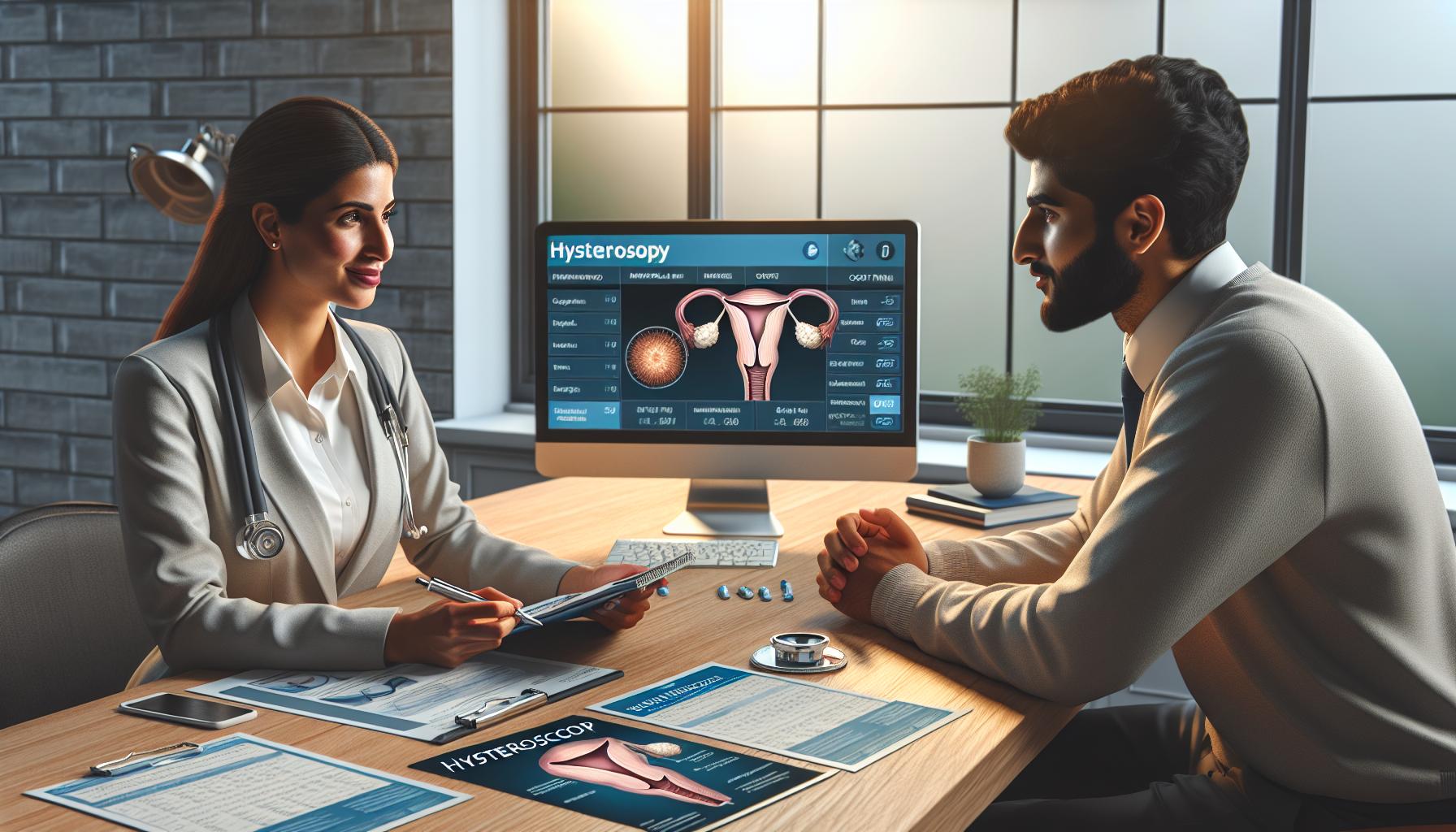
Breakdown of Hysteroscopy Costs: What’s Included?
understanding the costs associated with hysteroscopy can be crucial for planning yoru healthcare expenses. This minimally invasive procedure, which allows for the examination of the uterus, can vary significantly in price based on several factors including location, the complexity of the procedure, and whether any additional treatments are required. On average, prices can range from around $4,164 to $6,198 depending on your provider and the specifics of the procedure [[1]](https://www.mdsave.com/procedures/hysteroscopy/d78bf9ce/florida) [[2]](https://www.mdsave.com/procedures/hysteroscopy/d78bf9ce).
Components of Hysteroscopy Costs
When evaluating the expenses related to hysteroscopy, it is important to consider what is included in the total price you may encounter:
- Facility Fees: This includes the costs associated with the surgical facility or hospital where the procedure is conducted.
- Physician Fees: Charges for the physician performing the hysteroscopy, which can vary based on their experience and the complexity of the case.
- Anesthesia Charges: Depending on the type of anesthesia used, this can significantly affect your overall cost. Patients have reported anesthesia fees ranging between $250 to $500 depending on the anesthesia type used [[3]](https://www.reddit.com/r/IVF/comments/1873wh9/hysteroscopy_costs/).
- Pre-Procedure Consultations: Initial visits for medical assessments or imaging studies that may be required before the hysteroscopy can add to the total price.
- Post-Procedure Care: Follow-ups and any additional care needed for recovery might also contribute to ongoing costs.
Real-World Examples
For instance, those opting for an in-office hysteroscopy may find that the procedure itself could cost anywhere between $2,500 and $3,000, inclusive of anesthesia [[3]](https://www.reddit.com/r/IVF/comments/1873wh9/hysteroscopy_costs/). This represents a more cost-effective option than those undergoing the procedure in a hospital surroundings. It is beneficial to compare costs and assess the benefits of in-office procedures versus hospital-based ones.
Insurance Considerations
Navigating insurance can further complicate the cost breakdown. Many insurance providers cover hysteroscopy if deemed medically necessary, but co-pays and deductibles will still apply. Always check with your insurance carrier about coverage specifics, as this can significantly influence the out-of-pocket costs. By understanding the full range of expenses associated with hysteroscopy, you can better prepare for the financial aspects of your care and ensure clarity on what to expect during both the procedure and recovery phases.
Factors Influencing the Cost of Hysteroscopy
Understanding the factors that influence the cost of hysteroscopy is crucial for patients considering this critically important diagnostic and treatment procedure. The variation in the total expense can be important and may depend on several elements including geographic location, the complexity of the procedure, the facility where it is performed, and whether insurance covers it.
geographic Location
the cost of hysteroscopy can vary greatly depending on where the procedure is performed. For instance, fees in urban areas are often higher due to increased overhead costs for medical facilities. such as, estimates suggest that in Texas, the procedure might cost around $2,500 to $3,000 including anesthesia, but prices can fluctuate based on local market conditions and competition among providers [[1](https://www.reddit.com/r/IVF/comments/1873wh9/hysteroscopy_costs/)].
Type of Procedure
Different types of hysteroscopy, such as diagnostic versus operative hysteroscopy, also play a crucial role in determining cost. operative hysteroscopies, which involve surgical intervention, tend to be more expensive due to the need for specialized instruments and the increased complexity of the procedure. Patients should inquire about the specifics of the type of hysteroscopy being recommended, as this will impact both the cost and the nature of the insurance coverage applied.
Facility and Provider
The choice of facility—whether a hospital,outpatient clinic,or specialized surgical center—can significantly impact the overall cost. hospitals generally have higher fees due to their extensive resources and services. Additionally, the level of expertise of the performing physician can influence pricing. Highly specialized practitioners may charge more, reflecting training and experience.
Insurance Coverage
Insurance policies differ widely, and understanding how your plan addresses hysteroscopy is essential. Some plans may cover the full cost, while others might only partially cover it or not cover it at all, especially if it’s persistent to be elective. Patients should contact their insurance provider prior to scheduling the procedure to clarify coverage details and any potential out-of-pocket costs.
being informed about these factors can help patients better prepare for the financial aspects of hysteroscopy, improving the overall experience associated with their healthcare journey. By proactively discussing these elements with healthcare providers,patients can navigate potential costs more effectively and make well-informed decisions.
insurance Coverage for hysteroscopy: What You Need to Know
Understanding the intricacies of insurance coverage for hysteroscopy can make a substantial difference in your out-of-pocket expenses. Many patients are surprised to learn that the costs can vary dramatically depending on where the procedure is performed and the specifics of their insurance plan. In general,the average price for a surgical hysteroscopy with a biopsy is about $5,215,though this figure can fluctuate based on location and individual insurance arrangements [[1]](https://turquoise.health/services/surgical-hysteroscopy-with-biopsy/).
Cost Differences Based on Location and Setting
The setting of the procedure—whether it’s performed in a hospital or an office—also influences the financial outcomes significantly. For instance, in-office hysteroscopies average around $2,600 in charges under commercial health insurance, contrasting sharply with the $14,631 typically billed for hospital-based procedures [[2]](https://www.jmig.org/article/S1553-4650(16)30847-0/fulltext). For patients who are concerned about their insurance coverage, it’s beneficial to inquire specifically about the outpatient settings covered by their plan.
Most insurance plans will cover some of the costs associated with hysteroscopy, especially if it is indeed deemed medically necessary. Depending on your coverage, your insurance may pay for the entire procedure or require a copayment, which can range from a few hundred dollars to a larger percentage of the total cost. for perspective, some patients report paying between $600 and $700 after insurance contributions [[3]](https://www.reddit.com/r/IVF/comments/1873wh9/hysteroscopy_costs/).
Tips for Navigating Insurance and Costs
To maximize your insurance benefits and minimize costs, consider the following steps:
- Contact Your Insurance Provider: Always verify with your insurance company what procedures are covered and what your estimated out-of-pocket costs will be, based on different settings.
- Offer to Discuss Medical Necessity: In some cases, your doctor may need to provide documentation that demonstrates the need for the procedure to guarantee coverage.
- Understand Your Deductibles: Know your deductible limits and how much you have already paid towards it within the current plan year.
By being proactive about understanding your insurance coverage and the costs associated with hysteroscopy, you can navigate this frequently enough complex process with greater confidence, ensuring you are prepared both medically and financially for your procedure.
Tips for Navigating Insurance Claims for hysteroscopy
Navigating insurance claims for hysteroscopy can feel overwhelming, but with the right strategies, you can streamline the process and minimize out-of-pocket expenses. Understanding the intersection between your health needs and what your insurance covers is essential, especially considering that the average cost of a hysteroscopy can vary widely. For many patients, this common procedure, used to diagnose and treat various uterine conditions, is partially or fully covered under their health plans.
Understand your Insurance Plan
Before scheduling your procedure, it’s crucial to thoroughly review your insurance policy to comprehend your benefits and coverage limits. Many plans classify hysteroscopies as diagnostic or operative procedures, leading to different coverage terms. Here are some steps to take:
- Contact your insurance provider: Ask specifically whether hysteroscopy is covered under standard medical insurance or if it falls under fertility benefits.
- Request a pre-authorization: Many insurers require pre-authorization for costly procedures, especially if they are likely to be seen as elective.
- Document everything: Keep records of all communications with your insurer, including names, dates, and the details discussed.
Discuss Coverage with Your Healthcare Provider
It’s essential to have an open conversation with your healthcare provider’s office regarding the expected costs associated with your hysteroscopy. Many facilities can provide you with a detailed breakdown of the estimated charges and might potentially be familiar with the specifics of what insurance companies cover. Here are ways to enhance this dialog:
- Ask for cost estimates: inquire about the total expected cost,potentially including facility fees,anesthesia,and follow-up care.
- Clarify the procedure’s classification: Ensure your physician documents the procedure correctly, as the coding can significantly affect insurance reimbursement.
- Explore payment plans: if insurance coverage is limited, ask whether the provider offers financing options for out-of-pocket expenses.
Potential costs and Financial Help
While many insurance plans may cover hysteroscopy, understanding your financial responsibilities is vital. Costs can range from $1,000 to $7,000,depending on various factors like location and whether it’s performed in an outpatient setting or a hospital. Investigating additional resources can provide further assistance:
- Health savings accounts (HSAs): If applicable, consider using an HSA for tax-free payments towards your procedure.
- Nonprofit organizations: Some groups offer financial assistance for fertility-related procedures,including hysteroscopy.
By proactively engaging with both your insurance company and healthcare provider, you can navigate the complexities of claims for hysteroscopy more effectively. This preparation will help ensure that you make informed financial decisions regarding your health care.
Finding Financial Assistance and Payment Plans for Hysteroscopy
Navigating the financial landscape of medical procedures can be challenging, especially when it comes to something as significant as a hysteroscopy. Understanding the average cost of a hysteroscopy and exploring available payment plans can greatly alleviate financial stress,making this necessary procedure more accessible. As patients confront various medical expenses, knowing where to turn for assistance is crucial.
When faced with financial constraints, there are several options to consider for covering the costs of a hysteroscopy. Many healthcare providers offer payment plans that allow patients to pay off their bills in manageable monthly installments. Quest Diagnostics, for example, has programs designed to support those struggling to meet their full balance by the due date, enabling a smoother financial experience for patients undergoing necessary procedures [1].
Additionally, government assistance programs can provide critical support for patients experiencing financial hardship. Programs such as Medicaid, which offers healthcare coverage to eligible low-income individuals, and other public assistance services can frequently enough help cover medical costs. Resources like USAGov allow users to explore a variety of government benefits, including healthcare assistance, housing support, and food aid, which can significantly ease the overall burden while managing medical expenses [2]. For those struggling specifically with living expenses during times of difficulty, USAGov also outlines programs such as food stamps and rental assistance that may be beneficial [3].
When discussing payment strategies, it is indeed also helpful to communicate openly with your healthcare provider about your financial situation.Many facilities may offer additional resources or discounts for self-pay patients, especially if they are informed ahead of the scheduled procedure. Take time to inquire about all potential financial assistance options and ensure you understand the impact of your payment decisions on your overall healthcare costs.
understanding the average cost of a hysteroscopy, alongside exploring payment plans and financial assistance programs, can empower patients to make informed decisions regarding their health care. By leveraging available resources, individuals can navigate their medical expenses with greater confidence and less worry.
Preparing for Your Hysteroscopy: Questions to Ask Your Doctor
Preparing for a hysteroscopy involves a extensive understanding of the procedure, including its costs and the insurance coverage that may be available.This proactive approach can significantly reduce anxiety and ensure you are well-prepared for your consultation. It’s essential to approach your doctor with specific questions that can clarify what to expect, both in terms of the procedure and its financial implications. Here are some recommendations for inquiries that can guide your discussion:
understanding the Procedure
Before the hysteroscopy, understanding how the process works is crucial. Consider asking:
- What type of hysteroscopy will I undergo? – Knowing whether it will be diagnostic or operative can help set your expectations.
- What preparations do I need to make? – This includes dietary restrictions and any medications you should avoid prior to the procedure.
- How long does the procedure typically take? – Having a timeframe can definitely help you plan your day accordingly.
- What kind of anesthesia will be used? – Understanding whether you’ll be under local or general anesthesia is vital for your comfort.
Financial Considerations
Inquiries related to the financial aspects of your hysteroscopy can definitely help you manage costs effectively. Ask your doctor:
- What is the average cost of the procedure? – This helps set financial expectations and prepares you for budget considerations.
- Does my insurance cover this procedure? – Clarifying the coverage beforehand can save you from unexpected bills later.
- Are there payment plans or financial assistance options available? – If your insurance does not cover the full cost, knowing about alternative financing can be beneficial.
- What additional costs should I anticipate, such as facility fees or consultations? – This helps create a complete financial picture of what you may owe.
Post-Procedure Expectations
Understanding the recovery and follow-up process is just as important. Don’t forget to ask:
- What should I expect in terms of recovery time? – This information helps you plan your return to daily activities.
- how will I recieve my results, and when? – Knowing when to expect results can ease any concerns you may have.
- Are there specific symptoms I should monitor after the procedure? – Awareness of potential complications is crucial for timely interventions.
Preparing to ask these questions will ensure that you have a thorough understanding of both the procedural and financial aspects of your hysteroscopy. By taking this step,you are setting yourself up for a smoother experience,reducing uncertainties,and making informed decisions about your healthcare.
Exploring Alternatives to Hysteroscopy: Weighing Your Options
when considering alternatives to hysteroscopy, it’s crucial to understand the various options available and their associated costs. Each alternative may offer different benefits, risks, and financial implications, which can significantly influence decision-making for women experiencing concerning symptoms. With outpatient procedures becoming a norm, alternative diagnostic and treatment methods are emerging as viable contenders.
Alternative Procedures
- Sonohysterography: This minimally invasive procedure uses saline injection to enhance ultrasound imaging of the uterus. it’s often preferred for patients looking for a less invasive option and typically costs less than customary hysteroscopy.
- Endometrial Biopsy: Conducted in a physician’s office, this involves sampling the endometrial lining for abnormalities without the need for anesthesia. The costs are usually lower than a hysteroscopy and provide swift results.
- Medications: For some conditions like heavy menstrual bleeding, medication treatments (such as hormonal therapies) can be effective alternatives to surgical interventions and frequently enough involve lower out-of-pocket costs.
Cost Considerations
Understanding the average cost of these alternatives is equally important.While traditional hysteroscopy can range from $5,300 to $10,100 depending on factors such as facility fees and physician experience, alternatives often present significant savings. As an example, sonohysterography typically has a lower baserate and can sometimes be covered under preventative care, making it more accessible.
Insurance Implications
Insurance coverage varies widely among procedures,making it essential for patients to verify what their plans will cover. Many insurance providers often prefer non-invasive options when feasible, which may result in lower co-pays and deductibles for procedures like sonohysterography or endometrial biopsy. it’s advisable to check with the insurance provider beforehand to avoid unexpected costs during treatment, especially since the new healthcare regulations focus on preventive measures that could influence cost and coverage.
Exploring alternatives to hysteroscopy doesn’t just involve comparing symptoms, but also weighing potential financial impacts. By considering a range of options and their respective costs—from outpatient procedures to pharmaceutical treatments—patients can make informed choices that align with their health needs and financial situations, ensuring a comprehensive approach to their care.
Frequently Asked Questions
what is the average cost of a hysteroscopy?
the average cost of a hysteroscopy can range from $1,500 to $5,000, depending on factors like location, facility type, and whether sedation is used. This variation can significantly impact your out-of-pocket expenses.
For those with insurance, costs can be much lower. It’s wise to consult your provider about your specific plan, as coverage for hysteroscopy procedures can differ greatly. Additionally, reviewing your insurance benefits can help you better understand your expected financial responsibility.
Can I get insurance coverage for hysteroscopy?
Yes, most insurance plans cover hysteroscopy, especially when it’s deemed medically necessary. it’s crucial, however, to verify with your insurance provider regarding specific coverage details.
Preparedness is essential when discussing costs with your healthcare team. Request a pre-authorization if needed,and inquire about getting a detailed estimate beforehand,which can include average costs,facility fees,and surgeon fees.
How does the cost of outpatient hysteroscopy compare to inpatient?
Outpatient hysteroscopy tends to cost less compared to inpatient procedures, ranging around $1,500 to $3,000. This is largely due to reduced hospital stays and associated fees.
Inpatient procedures can exceed $5,000, as they involve longer hospital stays and more comprehensive care. If you’re exploring options, always ask about the type of setting and the associated costs as part of your average cost hysteroscopy: price breakdown & insurance tips.
What factors can affect the price of hysteroscopy?
Several factors influence the price of hysteroscopy, including location, facility type (hospital vs. outpatient center), anesthesia choice, and additional procedures. geographic location plays a significant role in pricing.
Your specific medical condition may also affect whether supplementary procedures are needed, which can increase overall costs. To get an accurate estimate, consider contacting local facilities directly or using tools that provide cost comparisons.
Why is there a gap in hysteroscopy costs among facilities?
The disparity in hysteroscopy costs can be attributed to differences in facility overhead, geographical location, and service quality. Some facilities may charge higher fees as of advanced equipment or specialized staff.
Moreover, hospitals frequently enough carry higher operational costs than outpatient centers, which can translate to higher fees. Understanding these factors can help you make informed decisions about where to undergo your procedure.
What are some tips for lowering hysteroscopy costs?
To potentially lower your hysteroscopy costs, consider discussing your options with your healthcare provider and insurance company. Being proactive about your care can help you find more affordable facilities.
Ask for financial estimates, explore payment plans, and ensure you understand your insurance coverage. These steps can empower you to manage your healthcare expenses more effectively.
How can I prepare for a hysteroscopy in terms of costs?
Preparing for a hysteroscopy financially involves understanding your insurance plan, obtaining pre-approvals if necessary, and asking for a cost estimate from your provider.
Being well-informed helps in avoiding surprise bills.Reach out to your insurance company for clarity on coverage and potential out-of-pocket maximums to ensure everything aligns with your budget.
Final Thoughts
Understanding the costs associated with hysteroscopy is essential for anyone considering this procedure. On average, in-office hysteroscopy can range from approximately $2,500 to $3,000 in the U.S., which typically includes anesthesia [1[1[1[1]. In India, the costs may be somewhat lower, generally falling between 30,000 to 50,000 INR depending on various factors [2[2[2[2]. It’s critically important to keep in mind that these prices can vary based on location, healthcare providers, and additional services offered.
When considering hysteroscopy, patients should also explore their insurance options, as many plans may cover part of the procedure. Open dialogue with your healthcare provider can guide you through understanding your financial responsibilities and help clarify what your insurance plan covers, allowing you to make informed decisions about your health.
while the cost of hysteroscopy may seem daunting, educating yourself on what to expect can relieve some of the financial burdens and uncertainties. We encourage you to discuss your specific situation with your healthcare provider and to reach out for any additional questions or concerns. Every individual’s journey is unique, and you deserve to feel supported and informed every step of the way.
Clinical Guidelines & Update on Hysteroscopic Care & Guidelines
Recent clinical evidence emphasizes evidence-based diagnostic protocols, procedural safety, and patient-centered counseling when considering hysteroscopy. Direct visualization of uterine pathology via office hysteroscopy provides superior diagnostic yield compared to traditional blind sampling procedures.
Key Clinical Considerations & Protocol
- Lesion Localization: Enables accurate mapping of endometrial polyps, submucosal fibroids, and structural anomalies.
- Distension Management: Continuous fluid monitoring minimizes risk of distension media absorption and hyponatremia.
- Post-Procedure Care: Structured pelvic rest guidelines reduce risk of pelvic infection and promote optimal mucosal healing.
Frequently Asked Questions
Q: What should patients expect regarding recovery after hysteroscopy?
A: Light cramping and mild discharge for 24-48 hours are standard. Most patients return to regular daily activities within 24 to 48 hours.
Q: How does diagnostic hysteroscopy compare to ultrasonic evaluation?
A: Hysteroscopy directly visualizes the uterine cavity in real-time, allowing immediate bioptic assessment or therapeutic intervention.
Clinical Guidelines & Update on Hysteroscopic Care & Guidelines
Recent clinical evidence emphasizes evidence-based diagnostic protocols, procedural safety, and patient-centered counseling when considering hysteroscopy. Direct visualization of uterine pathology via office hysteroscopy provides superior diagnostic yield compared to traditional blind sampling procedures.
Key Clinical Considerations & Protocol
- Lesion Localization: Enables accurate mapping of endometrial polyps, submucosal fibroids, and structural anomalies.
- Distension Management: Continuous fluid monitoring minimizes risk of distension media absorption and hyponatremia.
- Post-Procedure Care: Structured pelvic rest guidelines reduce risk of pelvic infection and promote optimal mucosal healing.
Frequently Asked Questions
Q: What should patients expect regarding recovery after hysteroscopy?
A: Light cramping and mild discharge for 24-48 hours are standard. Most patients return to regular daily activities within 24 to 48 hours.
Q: How does diagnostic hysteroscopy compare to ultrasonic evaluation?
A: Hysteroscopy directly visualizes the uterine cavity in real-time, allowing immediate bioptic assessment or therapeutic intervention.
Clinical Guidelines & Update on Hysteroscopic Care & Guidelines
Recent clinical evidence emphasizes evidence-based diagnostic protocols, procedural safety, and patient-centered counseling when considering hysteroscopy. Direct visualization of uterine pathology via office hysteroscopy provides superior diagnostic yield compared to traditional blind sampling procedures.
Key Clinical Considerations & Protocol
- Lesion Localization: Enables accurate mapping of endometrial polyps, submucosal fibroids, and structural anomalies.
- Distension Management: Continuous fluid monitoring minimizes risk of distension media absorption and hyponatremia.
- Post-Procedure Care: Structured pelvic rest guidelines reduce risk of pelvic infection and promote optimal mucosal healing.
Frequently Asked Questions
Q: What should patients expect regarding recovery after hysteroscopy?
A: Light cramping and mild discharge for 24-48 hours are standard. Most patients return to regular daily activities within 24 to 48 hours.
Q: How does diagnostic hysteroscopy compare to ultrasonic evaluation?
A: Hysteroscopy directly visualizes the uterine cavity in real-time, allowing immediate bioptic assessment or therapeutic intervention.
Clinical Guidelines & Update on Hysteroscopic Care & Guidelines
Recent clinical evidence emphasizes evidence-based diagnostic protocols, procedural safety, and patient-centered counseling when considering hysteroscopy. Direct visualization of uterine pathology via office hysteroscopy provides superior diagnostic yield compared to traditional blind sampling procedures.
Key Clinical Considerations & Protocol
- Lesion Localization: Enables accurate mapping of endometrial polyps, submucosal fibroids, and structural anomalies.
- Distension Management: Continuous fluid monitoring minimizes risk of distension media absorption and hyponatremia.
- Post-Procedure Care: Structured pelvic rest guidelines reduce risk of pelvic infection and promote optimal mucosal healing.
Frequently Asked Questions
Q: What should patients expect regarding recovery after hysteroscopy?
A: Light cramping and mild discharge for 24-48 hours are standard. Most patients return to regular daily activities within 24 to 48 hours.
Q: How does diagnostic hysteroscopy compare to ultrasonic evaluation?
A: Hysteroscopy directly visualizes the uterine cavity in real-time, allowing immediate bioptic assessment or therapeutic intervention.
Get our latest guides, news, and insights highlighted in your Google Search & AI Overviews.


