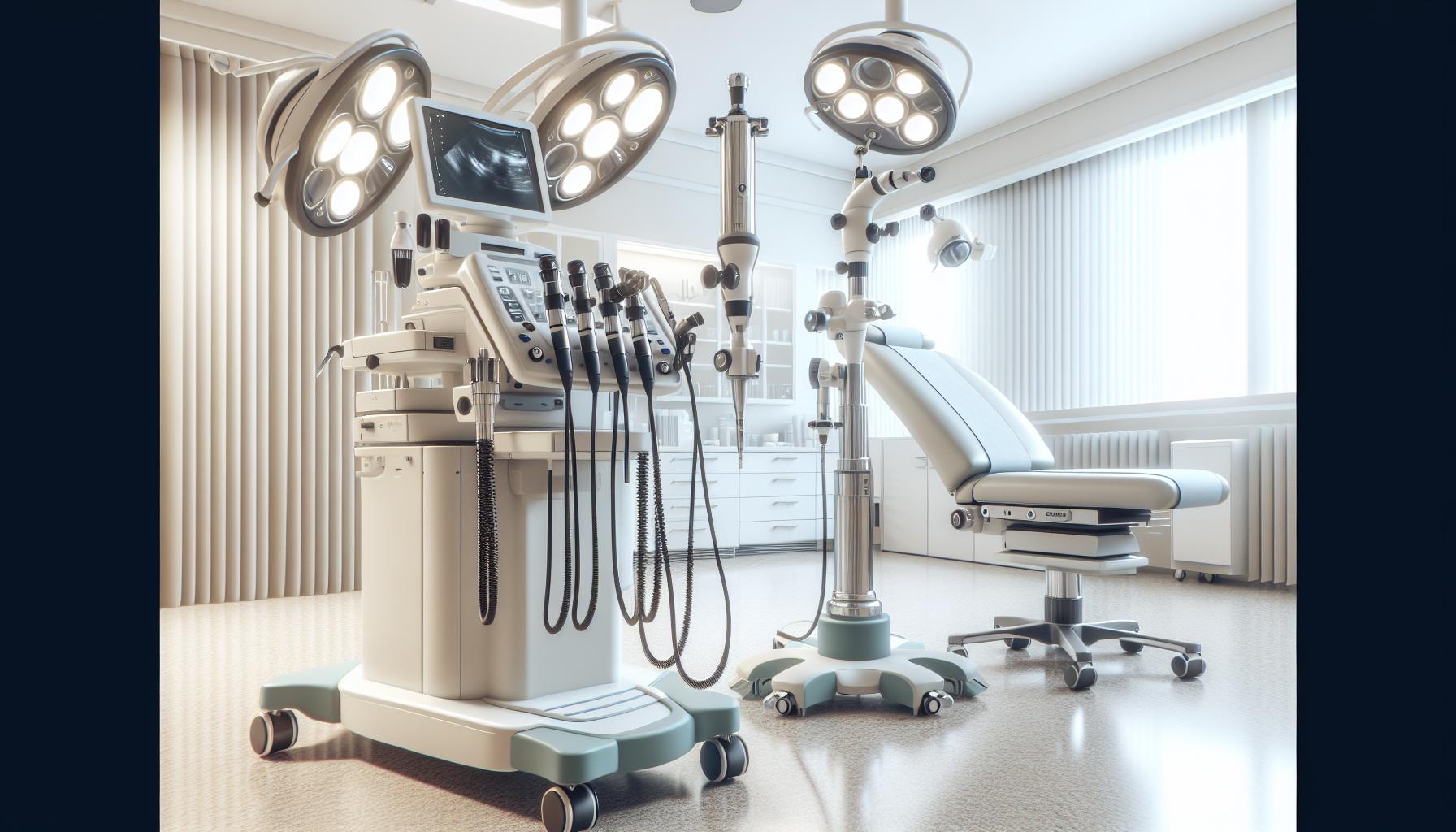

Undergoing a hysteroscopy can be daunting, especially with concerns about potential discomfort. Understanding effective pain relief methods is crucial for a smoother procedure adn recovery. In this article, we’ll explore five proven strategies to manage pain during hysteroscopy, empowering you with the knowledge to enhance your experiance and comfort.
Understanding Hysteroscopy: A Simple Overview
Hysteroscopy is a minimally invasive medical procedure that allows healthcare providers to visualize the inside of the uterus using a thin, lighted tube called a hysteroscope. Did you know that this technique can effectively diagnose and treat various uterine conditions, often in the same appointment? Understanding the fundamentals of hysteroscopy can empower patients to engage in conversations about their menstrual health and potential treatment options.
The hysteroscope is introduced through the vagina into the uterus, providing a real-time view of the uterine lining and cavity. This enables doctors to identify issues like fibroids, polyps, or abnormalities that might be contributing to symptoms such as heavy bleeding or pelvic pain. With this clarity, doctors can frequently enough complete necessary procedures—like removing growths or taking biopsies—during the same visit, minimizing the need for further invasive surgeries.
Benefits of Hysteroscopy
Several factors make hysteroscopy a preferred choice for both diagnosis and treatment:
- Minimally Invasive: Unlike conventional surgical methods, hysteroscopy requires only small incisions or no incisions at all, which means less trauma to the body.
- Rapid Recovery: Many patients experience quicker recovery times and can often return to regular activities within a day or two.
- Precision: The ability to see inside the uterus directly allows for more precise diagnoses and treatments, which can lead to better outcomes.
- Dual Purpose: Diagnosis and treatment can happen in one procedure, reducing the need for multiple appointments and interventions.
Hysteroscopy and Pain Management
The experience of discomfort during hysteroscopy can vary widely among patients, influenced by individual pain thresholds and the specific procedures performed. Understanding effective pain relief methods is crucial for those undergoing this procedure.In the article ’Hysteroscopy Pain Relief: Top 5 Methods That Actually Work,’ several strategies are outlined that have proven accomplished for patients, including medications, sedation options, and holistic approaches.
| Method | Description |
|---|---|
| Pain Medication | Over-the-counter or prescription medications taken before the procedure can help manage discomfort. |
| Local Anesthesia | Applied directly to the cervix, this method numbs the area to minimize pain during the procedure. |
| Conscious Sedation | A combination of sedatives and pain relievers that keeps the patient relaxed while remaining aware. |
| General Anesthesia | Used in more extensive procedures, this method ensures the patient is entirely asleep and unaware during the hysteroscopy. |
| Relaxation Techniques | Methods such as deep breathing or visualization can also aid in managing anxiety and perceived pain levels. |
By understanding hysterography and its related pain relief methods, patients can play a more active role in their healthcare journey.Educating oneself on the procedure, potential discomforts, and effective pain management strategies encourages a collaborative approach between patients and their healthcare providers, leading to better experiences and outcomes.
Common concerns: What to Expect During the Procedure
understanding what to expect during a hysteroscopy can help alleviate anxiety and prepare you for the procedure. Many patients express concerns about the discomfort they might experience and how best to manage pain. Knowing the common issues and effective pain relief methods can significantly enhance your overall experience. In fact, numerous patients report a reduction in anxiety simply by being informed about each step of the process.
Hysteroscopy typically involves the insertion of a narrow tube with a camera into the uterus, allowing your healthcare provider to visualize the uterine lining and any potential abnormalities.While the procedure is minimally invasive, you may still experience some level of discomfort. Here are a few common concerns and the pain relief methods that can help alleviate them:
Common Concerns
- Anxiety about Pain: It’s natural to worry about how much discomfort you may experience. Acknowledging these feelings can help focus on the various pain management strategies available.
- Recovery Time: Many patients are concerned about how long they will need to recover before resuming normal activities.Generally,you can expect to feel back to your routine within a day or two.
- Potential for Complications: Questions about what might go wrong are common. It’s crucial to discuss these with your healthcare provider, as the risks are generally low.
- Follow-up Care: Understanding the follow-up process and what to look for in terms of complications after the procedure can provide peace of mind.
Effective Pain Relief Methods
Pain relief during and after a hysteroscopy can be addressed through several techniques that patients have found helpful:
| Method | Description |
|---|---|
| Local Anesthesia | Applying a local anesthetic can numb the area, allowing you to remain awake while minimizing discomfort during the procedure. |
| Conscious Sedation | This involves sedatives that make you relaxed and drowsy,effectively decreasing awareness of the procedure. |
| Nonsteroidal Anti-Inflammatory Drugs (NSAIDs) | Taking NSAIDs such as ibuprofen before the procedure can help manage pain and reduce inflammation afterward. |
| Warm Compresses | Applying warm compresses to the lower abdomen post-procedure can help ease cramps and discomfort. |
| Guided Relaxation Techniques | Practicing deep breathing and visualization techniques before and during the procedure can alleviate feelings of anxiety. |
Being informed and prepared can bolster your confidence going into a hysteroscopy. By discussing concerns with your healthcare provider and considering effective pain relief techniques, you can navigate the process with greater ease. Remember, it’s vital to communicate openly with your medical team about any anxieties or pain management preferences you may have to ensure the best possible experience.
Method 1: Topical Anesthetics – Quick Relief for hysteroscopy
Topical anesthetics are revolutionizing pain management for patients undergoing hysteroscopy, offering a swift and effective way to alleviate discomfort associated with this crucial procedure. Designed to numb the surface tissues, these agents provide localized anesthesia, allowing patients to experience a more agreeable process without the prolonged effects of systemic medications. Understanding how topical anesthetics work and their benefits can be instrumental in enhancing your overall hysteroscopy experience.
How Topical Anesthetics Work
When applied before the procedure, topical anesthetics interact with sensory nerve endings in the mucosal surfaces of the uterus, significantly reducing pain perception.these anesthetics come in various forms such as gels, creams, and sprays. For instance, a commonly used agent is lidocaine gel, known for its fast onset and efficacy. The application is generally straightforward, requiring the healthcare provider to administer the anesthetic directly to the target area, allowing for rapid relief in preparation for the hysteroscopy.
Benefits of Using Topical Anesthetics
Choosing topical anesthetics for hysteroscopy pain relief offers several key advantages, including:
- Minimal Side Effects: Unlike general anesthesia, topical agents have a lower risk of systemic effects, reducing concerns about recovery time and surgical complications.
- Quick relief: Patients typically experience a rapid onset of numbness, allowing for a more comfortable experience during the procedure.
- Increased Patient Comfort: Knowing that pain is minimized can help alleviate anxiety and improve overall satisfaction with the medical care received.
- ease of Use: With straightforward application methods, these anesthetics can be easily administered by healthcare professionals.
Considerations for Use
While topical anesthetics can greatly enhance comfort levels, they are not universally applicable.Several factors should be considered when opting for this method of pain relief. Some of these include:
| Factor | Consideration |
|---|---|
| Patient Sensitivity | Individuals with known allergies to topical anesthetics should consult their physician for alternatives. |
| Procedure Complexity | Certain complex cases may necessitate choice or additional pain management approaches. |
| provider Experience | Ensure that your healthcare provider is familiar with the application and effects of topical anesthetics to optimize effectiveness. |
integrating topical anesthetics into hysteroscopy protocols offers patients a quicker, safer, and more comfortable experience. patients interested in minimizing discomfort during this procedure should engage in an open dialogue with their healthcare providers about the suitability and options available for topical anesthesia.By prioritizing effective pain relief strategies,patients can enhance their overall hysteroscopy experience,making the journey through this essential healthcare process much more manageable.
Method 2: Sedation Options – Finding Your Comfort Zone
Understanding the various sedation options available for hysteroscopy can significantly enhance your comfort during this often necessary procedure. Many patients experience anxiety and discomfort when faced with surgical interventions, making sedation an essential aspect of pain relief. The right choice can transform your experience, turning what may feel like a daunting task into a manageable one.
Types of Sedation
When considering sedation, it’s crucial to understand the different options available, each catering to different levels of anxiety and pain tolerance.Here are the primary sedation methods utilized during hysteroscopy:
- Local Anesthesia: This is administered directly to the cervix and uterus, blocking pain sensations in the targeted area. It is often used when patients require minimal intervention and prefer to stay awake.
- Sedation with Local Anesthesia: Combining local anesthesia with mild sedatives allows patients to remain conscious but relaxed. This option is suitable for those who might potentially be anxious but still want to participate in the procedure.
- Conscious Sedation: Through intravenous medications, patients reach a state of deep relaxation while remaining responsive. This method provides more anxiety relief while still allowing for a faster recovery.
- General Anesthesia: Occasionally, general anesthesia is used, rendering the patient completely unconscious throughout the procedure. This is reserved for more complex cases or when a patient’s anxiety is severe.
Choosing the Right Option for You
Selecting the appropriate sedation method involves a discussion with your healthcare provider about your medical history, anxiety levels, and specific needs related to the hysteroscopy. Here’s a simple table to aid your decision-making:
| Sedation Type | Appropriateness | Recovery Time |
|---|---|---|
| Local Anesthesia | Best for minor procedures | Quick recovery |
| Sedation with Local Anesthesia | For mild anxiety | Fast recovery |
| Conscious Sedation | Moderate anxiety level | Variable, but typically short |
| General Anesthesia | Severe anxiety or complex procedures | Longer recovery period |
Discuss these options openly with your doctor to identify which type of sedation aligns best with your comfort needs and the requirements of the hysteroscopy itself. Your input is invaluable,and the goal should always be to minimize discomfort while ensuring the procedure is as effective as possible. By collaborating closely with your healthcare provider, you can confidently navigate the sedation choices for optimal hysteroscopy pain relief.
Method 3: Pain Medications – What Works Best Before and After
Before undergoing a hysteroscopy, it’s crucial to address potential discomfort associated with the procedure. Research shows that appropriate pain management can significantly enhance the patient’s experience and recovery. Utilizing pain medications at the right times can make a considerable difference, both before and after the procedure, helping to ensure a smoother journey through the hysteroscopy process.
Pre-Procedure Pain Management
To minimize discomfort during and after a hysteroscopy,patients often benefit from pre-procedure pain medications. Common options include:
- Non-Steroidal Anti-Inflammatory Drugs (NSAIDs): Medications like ibuprofen are effective for managing mild to moderate pain and can be taken a few hours before the procedure to help reduce inflammation.
- Acetaminophen: This can be a good alternative for those who may not tolerate NSAIDs and can also be taken preemptively.
- Prescription Pain Relievers: In certain cases, doctors might prescribe stronger medications for patients who are especially anxious or have a low pain tolerance.
It’s advisable to discuss your options with a healthcare provider well in advance to determine which medications are suitable based on your medical history and individual needs.
Post-Procedure Pain Management
After undergoing hysteroscopy, patients may experience some level of discomfort or cramping. Effective post-procedure pain relief can significantly enhance recovery. Options include:
- Continued NSAID Use: Taking NSAIDs immediately after the procedure can help control inflammation and manage any pain that arises.
- Cold Compresses: applying a cold pack to the lower abdomen can also provide relief from cramps and soreness, minimizing the need for oral medications.
- Rest and Hydration: Sufficient rest and staying hydrated can aid in recovery. Over-the-counter medications like acetaminophen can be used as needed for persistent pain.
It’s essential, though, to monitor any symptoms following the procedure. If pain intensifies or does not subside with medication, patients should reach out to their healthcare provider for further evaluation.
| Medication | Timing | Effectiveness |
|---|---|---|
| Ibuprofen | 1-2 hours before | Good |
| Acetaminophen | 1-2 hours before | Moderate |
| Prescription Pain Relievers | As prescribed | High (variable) |
| Cold compresses | Post-procedure | Immediate relief |
Incorporating a tailored pain medication strategy before and after the hysteroscopy can drastically improve the comfort level of the procedure. understanding and planning your pain management options is a vital part of a successful hysteroscopy experience, aligning well with the broader insights found in the guide on hysteroscopy pain relief methods that truly work.
Method 4: Emotional Support Techniques – The Power of Mindfulness
Mindfulness has emerged as a powerful emotional support technique that can significantly enhance the experience of those undergoing procedures like hysteroscopy. This approach equips individuals with tools to manage anxiety and emotional distress, creating a more positive experience during medical interventions. Engaging with mindfulness practices not only aids in pain relief but also fosters a sense of calm and control in potentially overwhelming situations.
Incorporating mindfulness into your pre- and post-hysteroscopy routine can be transformative.Here are some effective methods:
- Deep Breathing Exercises: Focusing on your breath can definitely help center your thoughts and reduce anxiety. Try inhaling deeply for four counts, holding for four, and exhaling for four. This technique promotes relaxation and can be performed anytime, even in the clinic.
- Body scanning: This mindfulness exercise involves mentally scanning your body for areas of tension and consciously relaxing them. It helps to connect your mind and body, reducing discomfort during the procedure.
- guided Visualization: Picture a peaceful scene or a positive outcome from the procedure. Visualization can distract from anxiety and instill a sense of hope and positivity.
- Mindful Walking: If possible, take a slow, mindful walk before your appointment. Pay attention to each step, the feeling of the ground under your feet, and the rhythm of your breath.
Benefits of Mindfulness for Hysteroscopy Patients
Utilizing these mindfulness techniques can lead to several benefits, particularly related to hysteroscopy procedures. Patients often report decreased levels of anxiety, improved emotional resilience, and a heightened awareness of their bodily sensations. Such skills can empower patients to communicate more effectively with their healthcare providers, advocating for their comfort and concerns.
Embracing mindfulness can also enhance overall well-being by fostering a greater connection between the mind and body. In the context of *Hysteroscopy Pain Relief: Top 5 Methods That Actually Work*, these emotional support techniques serve not only to alleviate pain but also to manage the psychological aspects of medical procedures. Implementing mindfulness can transform a potentially distressing experience into one that feels more manageable and less intimidating, reinforcing the idea that effective pain relief encompasses both physical and emotional dimensions.By committing to these practices, individuals can cultivate a more resilient mindset, enhancing their ability to cope with the realities of medical treatment, including those involved in hysteroscopy, and ultimately contribute to a smoother recovery process.
Method 5: Communication with Your Healthcare Team – Advocating for Yourself
To navigate the often complex world of medical procedures, effective communication with your healthcare team is essential. When it comes to procedures like hysteroscopy, where concerns about pain and discomfort can be notable, advocating for yourself is not just beneficial—it’s vital. The relationship you cultivate with your healthcare providers can make a profound difference in your overall experience, including pain management options available to you.
Understand Your Options
before engaging with your healthcare team, it’s crucial to familiarize yourself with the various pain relief methods associated with hysteroscopy. This coudl include:
- Local Anesthesia: Aimed at numbing only the area being examined.
- Sedation: Used to help you relax throughout the procedure.
- General Anesthesia: Often used in more complex cases, making you completely unconscious.
Understanding these options helps you ask informed questions and express your preferences. Consider preparing a list of questions or concerns related to your pain tolerance, the procedure itself, and what to expect during recovery.
Express Your Concerns Openly
During your consultation, don’t hesitate to communicate openly about your fears and expectations regarding hysteroscopy. As a notable example, if you’ve previously experienced significant pain during similar procedures, share this information with your healthcare providers. They might potentially be able to offer tailored solutions:
| Concern | Potential Solution |
|---|---|
| Previous Pain Experiences | Adjusting anesthesia type or dosage |
| High Anxiety Levels | Pre-procedure counseling or relaxation techniques |
| combination with Other Procedures | Alternative scheduling or multi-procedure anesthesia planning |
Expressing your concerns and advocating for specific pain relief strategies can definitely help your providers customize the treatment plan that best aligns with your needs and comfort level.
Follow Up for Clarity
After discussing your pain management options, it’s critically important to ensure that you fully understand what has been proposed. If anything seems unclear or if you have lingering doubts, don’t hesitate to follow up. A well-informed patient is an empowered one, and ensuring clarity can mitigate anxieties tied to the procedure. Be proactive in confirming details about your care plan, including the availability of pain relief options and aftercare instructions.
Establishing a rapport with your healthcare team can significantly enhance your experience. By advocating for yourself, you not only facilitate a smoother procedure but also empower yourself to navigate your hysteroscopy with confidence and a sense of control over your pain management journey.
Q&A
What is hysteroscopy pain relief?
Hysteroscopy pain relief refers to various methods used to manage discomfort during or after a hysteroscopy, a procedure to examine the uterus. Effective relief helps patients feel more comfortable and reduces anxiety associated with the procedure.
during a hysteroscopy, doctors typically use local anesthesia, sedation, or other pain relief methods to ensure a more comfortable experience. Understanding these options allows patients to discuss their preferences with their healthcare providers, ensuring tailored approaches that meet individual needs.
How can I prepare for a hysteroscopy to minimize pain?
You can prepare for a hysteroscopy by discussing your pain management preferences with your doctor beforehand.This may involve taking medication as directed or arranging for emotional support.
Effective preparation can significantly affect your comfort level during the procedure. Make sure to ask your doctor about any recommended steps, such as avoiding certain medications that could increase bleeding or discomfort.
Can I use over-the-counter medications for hysteroscopy pain relief?
Yes, over-the-counter medications like ibuprofen can help relieve discomfort following a hysteroscopy. However, always consult your healthcare provider before taking any medication to ensure it is appropriate for your situation.
While OTC pain relievers can be effective, ensure you understand the appropriate dosage and timing. Your doctor may also provide specific medication recommendations for your individual case, especially if you have underlying health conditions.
Why does hysteroscopy cause pain?
Pain during hysteroscopy can occur for various reasons, including the distention of the uterus and manipulation of instruments. Understanding these causes can definitely help patients feel more prepared and less anxious.
Factors such as the patient’s tolerance for pain and the complexity of the procedure can also affect discomfort levels. Consulting with healthcare providers can help clarify what to expect and how pain can be managed effectively.
What are the top methods for hysteroscopy pain relief?
The top methods for hysteroscopy pain relief include local anesthesia, sedation, pain medications, relaxation techniques, and using a skilled practitioner. Each method has its benefits and can be tailored to individual needs.
Discussing these options with your doctor allows them to recommend the best approach for you. Understanding what works can significantly enhance your experience and reduce anxiety about the procedure.
Can relaxation techniques help with hysteroscopy pain relief?
Yes, relaxation techniques such as deep breathing, visualization, and meditation can aid in managing discomfort during a hysteroscopy. These methods promote a sense of calm and can reduce anxiety levels.
Incorporating relaxation techniques into your prep routine can enhance your overall experience and contribute to better pain management. Consider practicing these techniques with a support person to foster a more comfortable surroundings.
What should I do if I still experience pain after a hysteroscopy?
If you experience pain after a hysteroscopy that persists or worsens, reach out to your healthcare provider immediately. They can assess the situation and provide guidance on the appropriate next steps.
It’s essential to communicate openly about your discomfort so that your provider can definitely help address any concerns and ensure a smooth recovery. They may recommend additional pain relief methods or follow-up care to support your healing.
To Wrap It Up
navigating the world of hysteroscopy and pain relief can be daunting, but you’re not alone in this journey. Understanding the top 5 methods that truly work—from medications and local anesthesia to holistic approaches like relaxation techniques—can empower you to make informed choices about your care.Remember, every woman’s experience is unique, and it’s essential to communicate openly with your healthcare provider about your concerns and preferences. Your comfort and well-being should always be a priority. We encourage you to explore these methods further and engage in a conversation with your doctor to find the best fit for you. Take the next step confidently, knowing that support is available every step of the way.
Get our latest guides, news, and insights highlighted in your Google Search & AI Overviews.