


Asherman’s syndrome, characterized by intrauterine scar tissue, poses important challenges, including infertility adn painful menstrual irregularities. Hysteroscopy offers a promising solution, allowing physicians to visualize and possibly remove scar tissue. Understanding the effectiveness of this procedure is crucial for countless women seeking relief and improved reproductive health.
Understanding Asherman’s Syndrome: What You Need to Know

Asherman’s Syndrome, characterized by the formation of scar tissue in the uterus, can lead to significant reproductive challenges, including infertility and painful menstrual cycles. It ofen results from trauma to the uterine lining, such as from previous surgeries, infections, or complications following childbirth. Understanding this condition is crucial for those affected and for healthcare providers who aim to deliver effective treatments.
hysteroscopy has emerged as the gold standard for both diagnosing and treating Asherman’s Syndrome. This minimally invasive procedure involves inserting a hysteroscope, equipped with a high-resolution camera, into the uterus to visualize and assess the extent of adhesion formation. This direct visualization permits targeted treatment through hysteroscopic adhesiolysis, which effectively removes abnormal tissue and restores the normal anatomy of the uterine cavity.
### The Importance of Diagnosis and Treatment
Diagnostic hysteroscopy not only identifies the type and severity of Asherman’s Syndrome but also plays a pivotal role in the treatment strategy.The American fertility Society classifies this condition into mild, moderate, and severe types based on the degree of adhesions. Timely and accurate diagnosis can significantly influence the treatment outcomes and improve fertility prospects. Patients diagnosed with severe adhesion may experience more complex surgical interventions; therefore, understanding their specific condition is paramount.
After adhesiolysis, studies have shown promising results concerning recovery and fertility. Many patients report restoration of normal menstrual cycles and improvements in fertility rates post-treatment. In a review of treatment outcomes, it was noted that nearly 60-80% of patients achieve successful pregnancies following appropriate surgical intervention. This underscores the effectiveness of hysteroscopic procedures in reversing the impairments caused by Asherman’s Syndrome.
### Moving Forward: What Patients Can Do
For individuals diagnosed with Asherman’s Syndrome, proactive steps can aid in better treatment outcomes:
- Regular Consultations: Stay connected with your healthcare provider to monitor your condition.
- Follow Postoperative Instructions: Adhere to recovery protocols after hysteroscopy to minimize the risk of recurrence.
- Explore Fertility Options: Discuss alternative reproductive options, such as IVF, if natural conception proves challenging.
By engaging in informed discussions with medical professionals and understanding the implications of their diagnosis, patients can better navigate the complexities of Asherman’s Syndrome.Hysteroscopy not only provides a route to potential recovery but also serves as a beacon of hope for many seeking to overcome the challenges posed by this condition.
How Hysteroscopy Works: A Closer Look at the Procedure
During a hysteroscopy, a thin, lighted tube called a hysteroscope is introduced through the vagina and cervix to examine the internal structures of the uterus. This minimally invasive procedure not only offers a clear view of the uterine cavity but also allows the healthcare provider to identify and treat various conditions, including Asherman’s Syndrome, which is characterized by the formation of scar tissue in the uterus. The ability to visualize the uterus in real-time makes hysteroscopy a powerful tool for diagnosing and addressing fertility issues.
Preparation for the Procedure
Before undergoing hysteroscopy, patients typically receive detailed instructions from their healthcare provider. Key preparatory steps frequently enough include:
- Scheduling the procedure when the patient is not menstruating.
- Avoiding certain medications that may increase bleeding, such as blood thinners.
- Arranging for someone to drive them home post-procedure,as sedation is commonly used.
Taking these preparatory steps seriously can significantly enhance the safety and effectiveness of the procedure.
The Hysteroscopy Process
The procedure usually begins with the patient in a agreeable position, often lying on an examination table. After administering anesthesia to ensure comfort, the doctor gently inserts the hysteroscope into the vagina and through the cervix. Once in place, the device is equipped with a camera that provides a high-definition view of the uterine cavity on a monitor. This visualization is critical for diagnosing abnormalities such as polyps, fibroids, or the presence of scar tissue indicative of Asherman’s Syndrome.
During the hysteroscopy, if abnormalities are observed, the physician can perform immediate treatments such as:
- Resecting fibroids or polyps – removing abnormal tissue that may contribute to infertility.
- Lysis of adhesions – surgically breaking apart scar tissue associated with Asherman’s Syndrome.
- Endometrial biopsy – collecting tissue samples for further analysis if necessary.
Recovery and Outcomes
Post-procedure recovery typically involves short monitoring in a clinical setting to ensure that there are no immediate complications. patients may experience mild cramping or spotting, which usually resolves within a few days. Understanding the risks and benefits of hysteroscopy is crucial for women dealing with fertility issues, as studies indicate that many patients experience improved outcomes for conception after addressing uterine abnormalities through this procedure.
Embarking on this journey can be daunting, but utilizing hysteroscopy as a diagnostic and therapeutic tool embodies a significant step towards improving reproductive health. For those asking, “Can hysteroscopy fix Asherman’s syndrome? treatment outcomes often show positive results, enabling many women to reclaim their fertility and enhance their quality of life.
Success Rates of Hysteroscopy in Treating Asherman’s Syndrome
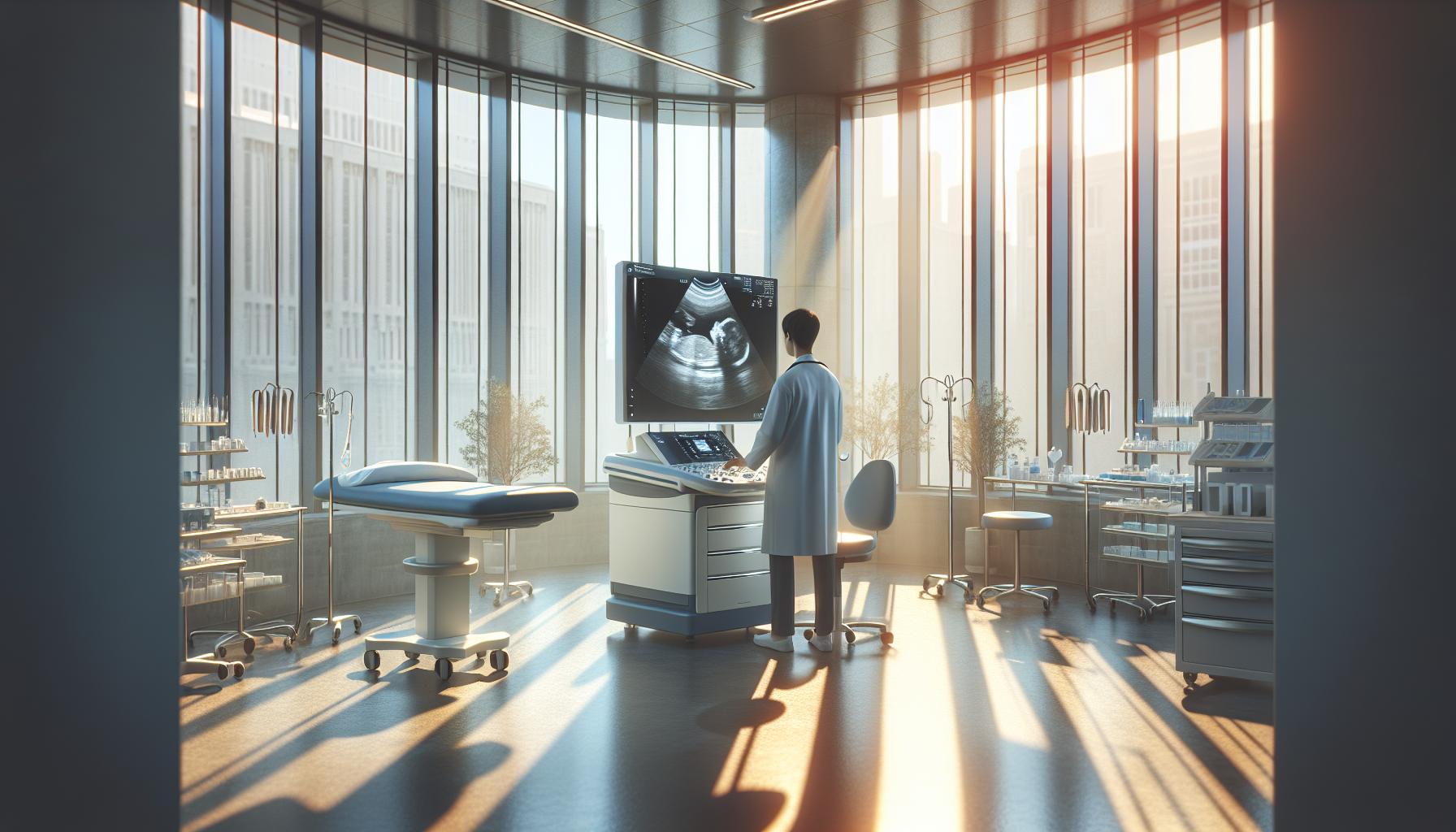
Hysteroscopy has emerged as a pivotal procedure in addressing Asherman’s syndrome, a condition characterized by the formation of intrauterine scar tissue. This minimally invasive technique not only facilitates direct visualization of the uterine cavity but also serves as an effective tool to remove adhesions, thus enhancing treatment outcomes for affected individuals. Research indicates that the success rates of hysteroscopic interventions are promising, often yielding significant improvements in symptoms such as infertility and menstrual irregularities.
in the context of treatment outcomes, studies have shown that hysteroscopic adhesiolysis—a procedure specifically designed to cut and remove the scar tissue—can lead to remarkably high rates of symptom resolution. For many patients, the procedure not only restores normal uterine function but also aids in conception. Reviews of clinical data indicate that success rates for achieving pregnancy post-hysteroscopy can range between 60% to 80%, especially for women with mild to moderate adhesion formations. This success is often dependent on factors such as the extent of the adhesions and the overall health of the endometrium.
Key Factors Influencing Success Rates
Several key factors can influence the effectiveness of hysteroscopic treatment for Asherman’s syndrome:
- Extent of Adhesions: Patients with less extensive adhesions generally experience higher success rates in terms of symptom relief and pregnancy outcomes.
- Timing of the Procedure: Conducting hysteroscopy soon after any uterine surgery, such as dilation and curettage (D&C), often improves recovery rates and decreases the likelihood of reformation of adhesions.
- Post-Operative Care: The implementation of hormone treatments, such as estrogen therapy, following surgery can promote endometrial healing and further reduce the chances of adhesion recurrence.
Furthermore, many practitioners emphasize the importance of a thorough preoperative assessment, utilizing imaging techniques such as transabdominal ultrasonography to evaluate adhesion types and grades, which can guide the surgical approach effectively.
Table of Success Rates
| Adhesion Severity | Pregnancy Success Rate |
|---|---|
| Mild | 70% – 80% |
| Moderate | 50% – 60% |
| Severe | 40% – 50% |
The application of hysteroscopy in treating Asherman’s syndrome represents a notable advancement in gynecological care, combining diagnostic precision with therapeutic efficacy. As more evidence emerges regarding it’s effectiveness, patients confronting this challenging condition can find hope in the prospect of successful restorations of uterine normalcy and fertility.
Possible risks and Considerations: What to Discuss with Your Doctor

hysteroscopy can be an effective procedure for diagnosing and treating conditions like Asherman’s syndrome, but it’s crucial to consider the associated risks and complications before proceeding. Engaging in a thorough discussion with your healthcare provider will help ensure that you are fully informed and prepared. Understanding the potential risks not only enhances your confidence but also aids in setting realistic expectations for treatment outcomes.
Common Risks to Discuss
Before undergoing hysteroscopy, it’s significant to be aware of several risks that can arise from the procedure. These include:
- Infection: There is a possibility of developing an infection after the hysteroscopy, which may be treated with antibiotics. Discussing pre-procedure precautions can definately help mitigate this risk.
- Pain and Discomfort: Some patients report experiencing pain, faintness, or nausea during or after the procedure. understanding how pain management will be handled can ease your anxiety.
- Uterine Perforation: Rarely,the hysteroscope may puncture the wall of the uterus,leading to complications. Knowing the signs of perforation and the corrective measures that can be taken is essential.
- Bleeding: Light bleeding can occur, but heavier bleeding may need further medical attention. Clarify what constitutes normal recovery versus complications in your conversation with the doctor.
Personal Health Factors
Your individual health history plays a significant role in assessing the risks of hysteroscopy. Conditions such as previous surgeries,chronic illnesses,or uterine anomalies could influence the procedure’s safety and efficacy. Prepare to discuss your complete medical history, including:
- Any previous gynecological conditions or surgeries
- Medications you are currently taking
- Your menstrual cycle patterns and any history of heavy bleeding
Being transparent about your medical conditions allows your doctor to tailor the procedure to your unique situation, potentially improving the chances of a successful outcome for asherman’s syndrome treatment.
Informed Decision-Making
Ultimately, for the question of whether hysteroscopy can fix Asherman’s syndrome, communication with your healthcare provider is key. Inquire about how the procedure’s risks stack against its benefits specifically for your case. Discuss alternatives as well, such as medication or other surgical techniques, to ensure you are exploring all possible avenues. This open dialog will lead to a more informed and confident decision regarding your health and treatment plan. Fostering an understanding of the possible complications associated with hysteroscopy empowers you to take an active role in your healthcare journey.
Post-Procedure Recovery: What to Expect After Hysteroscopy
Following a hysteroscopy, patients often wonder what to expect during their recovery. Understanding the post-procedure phase is crucial, especially for those undergoing this procedure to treat conditions like Asherman’s Syndrome. Many women experience a smoother recovery than anticipated, thanks to the minimally invasive nature of the procedure, but being prepared can alleviate any concerns.
typical Recovery Timeline
Most women resume normal activities, including returning to work, as soon as the day after the procedure. Some may feel well enough to go back to work even on the same day. though, if treatment like the removal of fibroids was performed or if general anesthesia was used, it might potentially be advisable to take a few days off to rest. It’s important to listen to your body and allow adequate time for recovery.
Post-Procedure Symptoms to anticipate
After a hysteroscopy, it’s common to experience some mild symptoms, which can include:
- Cramps: similar to menstrual cramps, these may last for a few days.
- Vaginal Discharge: Some light discharge is typical, which might be watery or slightly bloody.
- light Bleeding: It is not unusual to have light vaginal bleeding for several days after the procedure. This can last longer, especially if the hysteroscopy was part of a treatment plan.
For women specifically undergoing treatment for Asherman’s Syndrome, the experience may vary.expect to see some small clots of blood for the first few days,which can be a normal part of the healing process. Monitoring these symptoms is crucial as significant changes, such as increased bleeding or severe pain, should prompt a call to your healthcare provider.
Aftercare Recommendations
To facilitate a smooth recovery, consider the following recommendations:
- Limit Physical Activity: Avoid heavy lifting, vigorous exercise, or sexual intercourse for at least a week or as advised by your doctor.
- Stay Hydrated: Drink plenty of fluids to help your body recover.
- Follow-Up Care: Keep all follow-up appointments to monitor recovery and ensure the procedure’s effectiveness in treating Asherman’s Syndrome.
- Signs to Watch: Be aware of any signs of infection, such as fever, heavy bleeding, or severe abdominal pain.
By following these guidelines, patients can enhance their recovery experience after hysteroscopy, cultivating a supportive environment for healing and preparing for future treatment outcomes related to conditions such as Asherman’s Syndrome.
alternative Treatments for Asherman’s Syndrome: An Overview
Women facing the challenges of Asherman’s Syndrome often seek alternative treatments in addition to surgical options like hysteroscopy. These therapies can play a crucial role in improving quality of life and reproductive outcomes. Understanding alternative approaches can empower patients to make informed decisions and consider complementary strategies alongside conventional treatment methods.
Exploring Non-Surgical Options
Several innovative non-surgical therapies have emerged in the quest to alleviate the symptoms of asherman’s Syndrome. Among these, hormonal treatments and the use of adjuvants have garnered attention for their potential benefits:
- Hormonal Treatments: hormonal therapy may help to facilitate the healing and restoration of the uterine lining following surgical procedures. Estrogen and progesterone are often utilized to encourage tissue growth and prevent further scarring.
- Adhesion Barriers: These materials can be placed in the uterus post-surgery to prevent the formation of scar tissue. Research indicates that the use of adhesion barriers following hysteroscopy can significantly decrease the likelihood of recurrent adhesions.
- Endometrial Stents: Stenting may also be used to keep the uterine cavity open during the healing process, which can further reduce the risk of adhesions forming.
Complementary Therapies
In addition to the above options, complementary and natural therapies can play a supportive role. Techniques such as acupuncture and reflexology focus on enhancing blood flow to the pelvic region and may promote hormonal balance. Many women report improvements in their overall well-being and reproductive health after incorporating these practices into their routine.
moreover, lifestyle modifications such as nutrition and stress management have shown promising effects. Integrative approaches that combine conventional and alternative treatments can be tailored to each individual’s needs, offering a holistic view of care and potentially improving treatment outcomes.
| Alternative Treatments | Benefits |
|---|---|
| Hormonal Treatments | Encourages growth of the uterine lining |
| Adhesion Barriers | Prevents the formation of new adhesions |
| Endometrial Stents | Maintains cavity openness, reducing recurrence of adhesions |
| Complementary Therapies | Improves overall well-being and hormonal balance |
integrating alternative treatments alongside conventional options like hysteroscopy can enhance recovery and yield positive outcomes for those affected by Asherman’s Syndrome. These methods emphasize individualized care,leveraging both medical and holistic approaches to support uterine health and reproductive function.
Patient Experiences: Real stories of recovery and Hope
While navigating the challenges of asherman’s Syndrome, many patients share their journeys filled with courage and determination. The emotional and physical struggles can feel overwhelming, yet stories of recovery illuminate the path toward hope. Hysteroscopy, a specialized procedure used to treat Asherman’s Syndrome, has become a beacon for many seeking to reclaim their reproductive health. These firsthand accounts highlight not only the potential outcomes of the procedure but also the transformative impact it can have on the lives of those affected.
One patient recounted her experience with hysteroscopy, describing it as life-changing.She initially feared the procedure, influenced by horror stories that circulated about its pain and recovery. though, her personal experience was quite different. With minimal discomfort during the procedure and a swift recovery phase, she found herself enthusiastically sharing her story. She emphasized the importance of communicating with healthcare providers about pain management options prior to the procedure, which greatly influenced her overall experience. Many have echoed her sentiments, finding that open dialogue leads to a more tailored approach that alleviates anxiety.
Dealing with Discomfort: Real Accounts
While some patients report manageable experiences,others face significant discomfort during hysteroscopy. One shared her ordeal of heightened pain that led to adjustments in the procedure. Despite the immediate challenges, the follow-up results were worth the struggle, as she learned about the importance of post-procedure care and pain relief strategies. Patients are advised to prepare a recovery plan that includes rest, hydration, and follow-up appointments to monitor healing, drawing on the insights gained from those who walked a similar path.
Another individual highlighted the emotional aspects tied to treatment outcomes. After undergoing hysteroscopy for Asherman’s Syndrome,she felt a profound sense of relief when her period returned to normalcy,a sign of successful treatment. This thrill of recovery was both a physical and emotional triumph, leading her to advocate for others facing similar diagnoses. She encourages prospective patients to seek support from online communities or local support groups, emphasizing that shared experiences can foster resilience and lessen feelings of isolation.
the varied experiences of those who have undergone hysteroscopy for Asherman’s Syndrome provide valuable insights into what can be expected during and after the procedure.the collective wisdom from these narratives underscores the importance of effective communication with medical professionals and the building of a supportive community around shared experiences. Through these real stories of recovery, hope is rekindled for many, showcasing the impact of hysteroscopy as a potential solution for those grappling with Asherman’s Syndrome.
Frequently asked questions
Can Hysteroscopy Fix Asherman’s Syndrome?
Yes, hysteroscopy can effectively treat Asherman’s syndrome by identifying and removing scar tissue in the uterus. This minimally invasive procedure allows doctors to restore the uterine cavity’s function and increase the chances of pregnancy.
Hysteroscopy uses a thin instrument with a camera to visualize the inside of the uterus. According to studies,many women have shown improvements in menstrual flow and fertility after undergoing hysteroscopic treatment for this condition.
What are the treatment outcomes of hysteroscopy for Asherman’s Syndrome?
Treatment outcomes of hysteroscopy for Asherman’s syndrome are generally positive, with pregnancy rates around 42.8% reported in some studies. Most patients experience improved menstrual cycles and overall uterine health.
Success depends on factors like the severity of adhesions and overall health. Regular follow-up is crucial to ensure the uterine cavity remains intact after surgery. More information about treatment can be found on specialized health websites.
How does hysteroscopy help with Asherman’s syndrome?
Hysteroscopy helps by allowing doctors to view the uterine lining and identify adhesions or scar tissue.Once located, the surgeon can remove these obstructions to restore the normal structure of the uterus.
This procedure not only aims to alleviate symptoms but also supports fertility by aiming to provide a favorable environment for implantation. Many women report significant improvements afterward,both physically and emotionally.
What is Asherman’s syndrome?
Asherman’s syndrome is a condition characterized by the formation of scar tissue in the uterus, often leading to heavy menstrual bleeding, infertility, or recurrent miscarriages. It can occur after uterine surgery or trauma.
Understanding Asherman’s syndrome is essential for those experiencing related symptoms. Early diagnosis and intervention through methods like hysteroscopy enhance the chances of restoring normal uterine function.
Can I get pregnant after hysteroscopic treatment for Asherman’s syndrome?
Yes, many women successfully conceive after hysteroscopic treatment for Asherman’s syndrome. The procedure aims not only to improve uterine health but also to enhance fertility.
Post-treatment success varies individually, influenced by factors such as age and the extent of the syndrome.Consulting with a fertility specialist can provide tailored insights and support on your journey to pregnancy.
What are the potential risks of hysteroscopy for Asherman’s syndrome?
While hysteroscopy is generally safe, potential risks include infection, bleeding, or uterine perforation.However, serious complications are rare, and the benefits typically outweigh the risks for patients.
A thorough discussion with your healthcare provider can help you understand the procedure better and prepare for any potential outcomes.Awareness and caution can ensure a smoother treatment experience.
When is hysteroscopy recommended for Asherman’s syndrome?
Hysteroscopy is recommended when symptoms like heavy menstrual bleeding or infertility are attributed to Asherman’s syndrome. A thorough evaluation by a specialist is often the first step.
For those with a history of uterine surgery or unexplained reproductive issues,hysteroscopy can be a crucial diagnostic and therapeutic tool. Early intervention is vital for the best outcomes.
The Way Forward
understanding Asherman’s syndrome and its treatment options, particularly hysteroscopy, is crucial for those affected by this condition. Hysteroscopy is a minimally invasive procedure that can effectively remove scar tissue from the uterine cavity, leading to improved fertility and symptom relief. Many women have found renewed hope through this treatment, experiencing positive outcomes such as restored menstrual regularity and enhanced chances of conception.
If you or someone you know is grappling with the symptoms of Asherman’s syndrome, remember that you are not alone. Open dialogue with your healthcare provider can definitely help you explore your options and feel more empowered in your healthcare journey. We encourage you to seek further information and support—understanding your body and its needs is a vital step toward healing. Embrace your path to recovery and take charge of your health!


