
Struggling to conceive can be an emotional journey for many couples. Hysteroscopy offers a critical look into the uterus, helping to identify and treat issues like fibroids or abnormalities that could hinder pregnancy. Understanding this minimally invasive procedure can empower individuals to enhance their chances of conception and achieve their dream of starting a family.
Understanding Hysteroscopy: A Gentle Approach to Your Fertility Journey
For many couples navigating the intricate landscape of infertility,understanding the surgical options available can be vital in identifying the right path to conceive. one such option is hysteroscopy, a minimally invasive procedure that provides a window into the uterus, allowing healthcare providers to diagnose and treat various uterine conditions that may impact fertility. This technique not only sheds light on potential obstacles like fibroids or polyps but also offers reassurance to patients as they embark on a journey toward parenthood.
What is hysteroscopy?
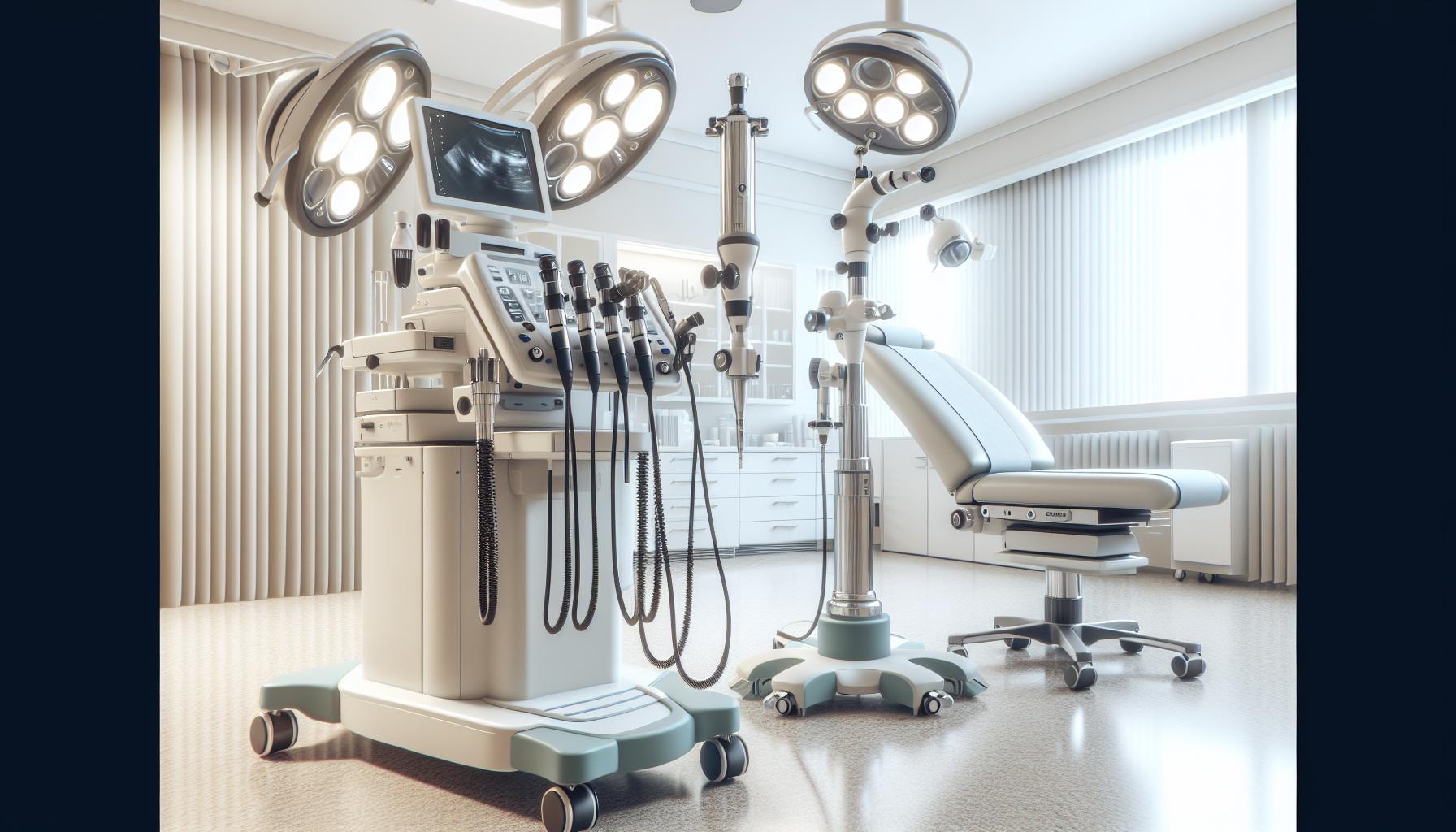
Hysteroscopy utilizes a thin,lighted tube equipped with a camera,enabling physicians to view the interior of the uterus through the cervix. This approach allows for a detailed examination and, if necessary, can be combined with therapeutic interventions. The procedure is typically performed in an outpatient setting and is characterized by its relatively rapid recovery time compared to more invasive surgical options.
Why Consider Hysteroscopy for Infertility?
Understanding the underlying causes of infertility is crucial. A hysteroscopy can help address several conditions, including:
- Uterine fibroids: non-cancerous growths that can distort the uterine cavity.
- Endometrial polyps: Small growths attached to the inner wall of the uterus.
- septate uterus: A congenital abnormality where a band of tissue divides the uterine cavity.
Early detection and treatment of these issues can significantly enhance the chances of conception. According to studies, patients who undergo hysteroscopy to correct anatomical issues often see improved outcomes in subsequent fertility treatments, emphasizing its role in boosting conception chances during the fertility journey.
Patient Experience: What to Expect
The process involves several steps that contribute to a supportive patient experience. Prior to the procedure, healthcare professionals will discuss the purpose and any potential risks associated with hysteroscopy. Most patients can return to regular activities shortly after, making it a convenient option for those concerned about lengthy recovery times.
| step | Description |
|---|---|
| Pre-Procedure | Consultation and scheduling; may include imaging studies. |
| During Procedure | A sedation option is offered; the hysteroscope is inserted through the cervix. |
| Post-Procedure | Rest and recover in the clinic; possible discharge with aftercare instructions. |
By integrating hysteroscopy into fertility assessments, individuals and couples can gain extensive insights into their reproductive health, ultimately paving the way for more effective strategies to enhance their chances of conception.
How Hysteroscopy Can Uncover Hidden Issues Affecting Conception
Many individuals struggling with infertility may be unaware that the key to unlocking their conception potential lies within the very structure of their uterus. Hysteroscopy, a minimally invasive procedure, has emerged as a crucial tool in the diagnosis and treatment of reproductive issues that can remain hidden during conventional examinations. By providing a direct view inside the uterus,this technique enables healthcare providers to identify various problems that could obstruct successful conception.
Identifying Underlying Uterine Conditions
Through hysteroscopy, abnormalities that contribute to infertility can be diagnosed, including:
- uterine Fibroids – Benign tumors that can distort the uterine cavity, perhaps leading to complications related to implantation.
- Uterine Polyps – Growths on the lining of the uterus that may lead to abnormal bleeding and problems with sperm transport.
- Septate Uterus – A congenital condition where a fibrous or muscular septum divides the uterine cavity, which can affect pregnancy outcomes.
- Adhesions (Asherman’s Syndrome) – Scar tissue that can form inside the uterus as a result of surgery, infection, or trauma, leading to obstruction.
By visualizing these conditions directly,hysteroscopy not only aids in accurate diagnosis but also allows for simultaneous treatment. As an example, polyps and fibroids can often be removed during the procedure, which may significantly enhance the chances of conceiving post-surgery.
Enhancing Fertility Treatment Plans
The insights gained from a hysteroscopy can dramatically impact a couple’s fertility treatment strategy. Once underlying issues are identified and addressed, fertility specialists can tailor recommendations more effectively. This may involve:
- Utilizing assisted reproductive technologies (ART) such as in vitro fertilization (IVF) more successfully, knowing that the uterine habitat is healthy.
- Guiding couples through lifestyle modifications or medications that could improve their overall reproductive health.
The overall success rates for conception can increase following hysteroscopic interventions, making it a valuable step in the fertility journey. According to studies, hysteroscopy has shown promising outcomes, including improved clinical pregnancy and live birth rates, further solidifying its role in the fertility assessment landscape [[1]].
With this targeted diagnosis and treatment capability, hysteroscopy not only alleviates uncertainty but also offers hope to couples struggling with infertility. Recognizing and correcting uterine abnormalities can be the first significant step towards achieving the dream of parenthood.
What to Expect During Your Hysteroscopy Procedure: A Step-by-Step Guide
Understanding what happens during a hysteroscopy can ease anxiety and foster a sense of empowerment about your fertility journey.This minimally invasive procedure plays a crucial role in diagnosing and treating issues that may hinder conception. By directly visualizing the uterine cavity,a hysteroscopy offers insights into abnormalities such as polyps,fibroids,or scar tissue that could impact your fertility.
Before the Procedure
In planning for a hysteroscopy, your healthcare provider will provide specific instructions, which may include avoiding certain medications and scheduling the procedure during the early follicular phase of your menstrual cycle. This timing ensures the endometrium is at its thinnest, which facilitates clearer visibility during the examination.You may receive medications to help relax you and minimize discomfort.
During the Procedure
The actual procedure typically takes about 30 minutes. You’ll be positioned on an examination table, similar to a Pap smear, and given anesthesia to enhance comfort—options may include local anesthesia, sedation, or general anesthesia depending on the specifics of your case.
- Insertion of the Hysteroscope: The physician gently inserts the hysteroscope,a thin,lighted tube,through the cervix into the uterus.
- Filling the Uterine Cavity: A sterile fluid is introduced to expand the uterus, allowing for a better view of the uterine lining.
- Examination and Treatment: As the physician examines the cavity, they may also treat any findings. As an example, polyps can be removed directly through the hysteroscope, which enhances your chances of conception post-procedure.
After the Procedure
Post-hysteroscopy, you may experience mild cramping or spotting. These symptoms are generally temporary and should resolve within a few days. Your doctor will provide personalized aftercare instructions and discuss follow-up appointments to evaluate your recovery and any necessary next steps in your fertility treatment plan.
By demystifying the hysteroscopy process, you’re one step closer to understanding how this procedure can help identify and address potential obstacles to conception, optimizing your chances of starting—or expanding—your family.
The Benefits of Hysteroscopy: Enhancing Your Chances of Pregnancy
The ability to conceive can be a complex journey for many couples, often influenced by various physical factors. A powerful tool in the arsenal of reproductive medicine, hysteroscopy provides critical insights into uterine health by allowing doctors to directly visualize the interior of the uterus. This minimally invasive procedure not only helps in diagnosing problems but also actively contributes to enhancing fertility and increasing the chances of successful pregnancy.
By using a thin, lighted tube equipped with a camera, hysteroscopy enables healthcare providers to detect abnormalities such as polyps, fibroids, or adhesions that may hinder conception. Actually, studies indicate that removing these growths through hysteroscopy can significantly improve fertility outcomes. Conditions such as endometrial polyps have been linked to lower pregnancy rates, and their removal has been shown to boost the chances of conception effectively [[3](https://progyny.com/education/fertility-testing/laparoscopy-hysteroscopy-may-help-conceive/)].
Advantages of Hysteroscopy in Fertility Treatments
The benefits of hysteroscopy extend beyond just diagnosis. Consider the following advantages:
- Minimally Invasive: The procedure is performed with minimal disturbance to surrounding tissues, promoting quicker recovery compared to traditional surgical methods.
- Quick Recovery: Most patients experience little downtime, allowing them to resume normal activities within a day or two.
- Dual Purpose: Hysteroscopy is not only diagnostic but can also be therapeutic, enabling immediate treatment for discovered conditions.
- Increased Success Rates: Women who undergo hysteroscopy before assisted reproductive technologies,such as IVF,often experience higher success rates due to the correction of uterine abnormalities [[1](https://healthcare.utah.edu/fertility/treatments/surgery/hysteroscopy)].
<Critical points such as these illustrate how hysteroscopy serves as a proactive approach in the intricate process of conception. By integrating hysteroscopy as part of an infertility assessment plan, couples may find themselves empowered with greater insights and treated for issues that previously went unrecognized, effectively paving the path for improved reproductive outcomes. In essence, the strategic utilization of hysteroscopy aligns perfectly with the overarching goal of boosting the chances of pregnancy in those facing fertility challenges.
Common Conditions Treated with Hysteroscopy That May Impact Fertility
When considering the path to conception, understanding the potential barriers is crucial. Hysteroscopy, a minimally invasive procedure, serves as a pivotal tool for diagnosing and treating various conditions within the uterus that may impede fertility. this technique allows specialists to directly visualize the uterine cavity and address issues that could disrupt implantation or increase the risk of miscarriage.
key Conditions Addressed through Hysteroscopy
Hysteroscopy can effectively diagnose and treat numerous intrauterine abnormalities, significantly enhancing fertility prospects. Common conditions that can be explored during this procedure include:
- Uterine Fibroids: These benign tumors can distort the uterine shape, leading to difficulties in implantation. The removal of fibroids via hysteroscopy can improve chances of conception.
- Endometrial Polyps: These growths on the uterine lining can also obstruct implantation. Hysteroscopy enables their detection and removal, fostering a more welcoming environment for embryo implantation.
- Uterine Septum: This congenital abnormality involves a partitioned uterus, which can complicate pregnancy outcomes.Surgical correction via hysteroscopy has been shown to enhance fertility rates.
- Adhesions (Asherman’s Syndrome): Scar tissue can form from previous surgeries or infections.Hysteroscopic surgery can effectively remove these adhesions, restoring normal uterine function.
Additionally, cases of uterine infections or abnormal endometrial tissue can be addressed during the procedure, providing a comprehensive approach to diagnosing potential fertility issues.Through hysteroscopy, a clearer understanding of uterine health is achieved, allowing tailored treatment plans that can lead to successful pregnancies.
| Condition | Impact on Fertility | Hysteroscopic Treatment |
|---|---|---|
| Uterine Fibroids | Can distort the uterus and affect implantation | Removal of fibroids |
| Endometrial Polyps | May block implantation | Resection of polyps |
| Uterine Septum | Increases risk of miscarriage | Surgical correction of the septum |
| Adhesions | Can impact normal uterine function | Separation of adhesions |
Incorporating hysteroscopy into fertility assessments not only provides insights but also delivers actionable steps towards overcoming infertility challenges. By addressing these common conditions,patients significantly improve their chances of conception,turning aspirations into reality.
Preparing for Your Hysteroscopy: Tips for a Smooth Experience
Preparing for a hysteroscopy can feel daunting, but understanding the process and planning ahead can significantly enhance your experience and outcomes. This minimally invasive procedure is crucial for diagnosing and treating issues that might potentially be affecting fertility, and taking the right steps before your appointment can definitely help ensure everything goes smoothly. Consider these essential tips to prepare effectively for your hysteroscopy, especially in the context of how it relates to boosting your conception chances.
Prior to Your Appointment
Your healthcare provider will give you specific instructions regarding when to stop eating and drinking before the procedure. Adhering to these guidelines is critical; failure to do so may lead to delays or cancellations. As a rule of thumb, it is advisable to follow these points:
- Follow pre-operative instructions precisely, including fasting times.
- Avoid any non-essential medications that could affect your procedure.
- Consider arranging transportation home, notably if you’ll be under sedation.
Additionally, taking some time to educate yourself about the procedure can help ease anxiety. Familiarize yourself with what to expect during the hysteroscopy, especially how it pertains to infertility assessments. Recognizing that this procedure can aid in identifying anatomical issues—such as polyps or fibroids—can give you a sense of purpose and hope for improved fertility chances.
Day of the Procedure
On the day of your hysteroscopy, it’s beneficial to prepare both mentally and physically. Engage in the following practices to set the tone for a smooth experience:
- Wear agreeable clothing, as you might potentially be asked to change into a hospital gown.
- Bring a support person with you to provide comfort and assistance post-procedure.
- If you’re feeling anxious,consider relaxation techniques such as deep breathing or mindfulness exercises.
Keep in mind that after a hysteroscopy, you may experience mild cramping or spotting, which is normal. Having a plan for post-procedure care is just as vital as preparing for the procedure itself. Stay hydrated, rest, and follow any aftercare instructions from your doctor to facilitate recovery and optimize your fertility journey.
By taking these steps, you can approach your hysteroscopy with confidence, fully aware of how it plays a pivotal role in understanding and enhancing your reproductive health, ultimately boosting your chances of conception.
Post-Procedure Care: What You Need to Know for a healthy Recovery
After undergoing a hysteroscopy, particularly one aimed at addressing infertility issues, it’s crucial to follow specific aftercare instructions to ensure a smooth recovery. This minimally invasive procedure can significantly enhance your chances of conception,but post-operative care plays a vital role in the healing process. Understanding what to expect can alleviate concerns and support your journey toward motherhood.
Following your procedure, it is indeed common to experience some discomfort. You might notice symptoms such as light vaginal bleeding,which can be similar to a menstrual period. This bleeding typically is not heavier than what you’d experience during your cycle and should gradually lessen over the ensuing days.Cramps are also a frequent occurrence as your body adjusts; these may feel akin to menstrual cramps and can be managed with over-the-counter pain relief medications recommended by your healthcare provider.
To support your recovery,adhere to the following guidelines:
- Rest and Relaxation: Prioritize rest in the initial days following your procedure. Listen to your body and avoid strenuous activities.
- Manage Discomfort: Take prescribed or recommended pain relief medications to alleviate cramps.
- Hydration and Nutrition: Maintain a balanced diet and stay hydrated to support your body’s recovery processes.
- Monitor Symptoms: Keep an eye out for any unusual symptoms such as heavy bleeding, severe pain, or fever, and contact your doctor if they occur.
Follow-Up Care
Your healthcare provider will schedule a follow-up appointment to assess your recovery and discuss the outcomes of the hysteroscopy. This is an essential step in the process, especially as you aim to boost your conception chances. Be prepared to discuss any lingering symptoms and to receive further instructions based on your unique needs.
By following these post-procedure care tips, you can facilitate a healthy recovery after your hysteroscopy and enhance your overall fertility journey. Always remember that open interaction with your healthcare professional is vital for addressing any concerns and ensuring a positive path toward conception.
Moving Forward: How Hysteroscopy Fits into Your Overall Fertility Plan
Considered a vital tool in the fertility specialist’s arsenal, hysteroscopy offers a minimally invasive solution to diagnose and treat potential issues within the uterus that may hinder conception. By utilizing this technique, many women have seen significant improvements in their fertility journey. Understanding how hysteroscopy fits into your overall fertility plan can empower you to make informed decisions and enhance your chances of conception.
Understanding the Importance of Hysteroscopy
Hysteroscopy allows physicians to visualize the uterine cavity in real time, enabling the identification of abnormalities such as polyps, fibroids, or adhesions that could impact fertility. For women who have experienced difficulty becoming pregnant, this procedure can provide clarity regarding underlying uterine conditions. During a hysteroscopic procedure, a thin, lighted tube called a hysteroscope is inserted through the vagina into the uterus, giving the doctor a direct view of the reproductive environment. Resolving such issues can dramatically improve the success rates of subsequent fertility treatments, including in vitro fertilization (IVF) and intrauterine insemination (IUI) [[1]](https://www.audubonfertility.com/post/the-role-of-hysteroscopy-in-ivf).
Integrating Hysteroscopy into Your fertility Strategy
Incorporating hysteroscopy into your fertility strategy may provide a thorough assessment before embarking on more invasive treatments. Here are a few actionable steps to consider:
- Schedule a Consultation: Meet with a fertility specialist to discuss your medical history and any previous fertility treatments.
- Evaluate Necessity: Assess if a hysteroscopy is recommended based on your particular circumstances, especially if you have experienced recurring pregnancy loss or unexplained infertility.
- Understand the Procedure: Gain knowledge about the process, recovery time, and potential outcomes, ensuring you’re well-equipped to make informed choices.
- Plan Follow-Up Treatments: If any issues are discovered and treated during hysteroscopy, collaborate with your doctor to determine the next steps in your fertility journey, whether that involves IVF, IUI, or other interventions.
Real-World Outcomes
Numerous studies and patient testimonials highlight the positive impact of hysteroscopy on fertility. For instance, women who underwent hysteroscopic procedures to remove fibroids or polyps reported improved conception rates in subsequent cycles. In some cases, surgical interventions performed during hysteroscopy allowed for the resolution of blockages, setting a clear path for successful pregnancies [[2]](https://fertilitynj.com/services/surgery/hysteroscopy/). This evidence underscores the procedure’s role not just in diagnosis but also in treatment, forming a critical component of a holistic fertility plan.
By understanding and strategically incorporating hysteroscopy for infertility, you can take significant steps toward addressing potential barriers to conception, thereby enhancing your overall fertility prospects.
Q&A
What is hysteroscopy for infertility?
Hysteroscopy for infertility is a procedure that allows doctors to examine the inside of the uterus to identify issues that may affect conception. It can diagnose and treat conditions like polyps, fibroids, and adhesions.
This minimally invasive technique helps enhance fertility by addressing potential obstacles within the uterus. During the procedure, a thin tube with a camera, known as a hysteroscope, is inserted through the vagina and cervix into the uterus. It offers a clear view and may even allow for immediate treatment.
How does hysteroscopy improve fertility?
hysteroscopy can improve fertility by identifying and removing uterine abnormalities that disrupt implantation or cause recurrent miscarriage, thus boosting your chances of conception.
By addressing issues like *abnormal uterine bleeding* or structural problems, hysteroscopy creates a more favorable environment for a successful pregnancy. Studies indicate that women undergoing this procedure frequently enough see improved clinical pregnancy rates and live birth rates, making it a promising option for those struggling with infertility.
What conditions can hysteroscopy treat for infertility?
Hysteroscopy can treat several conditions affecting fertility, including polyps, fibroids, intrauterine adhesions (asherman’s syndrome), and uterine septums.
These *uterine abnormalities* can lead to infertility or pregnancy complications. By diagnosing and correcting these issues using hysteroscopy, many women experience better outcomes when trying to conceive. The procedure not only identifies the problem but can also involve treatment, enhancing fertility chances at the same time.
Can I undergo hysteroscopy if I’m already pregnant?
Hysteroscopy is typically not performed on women who are already pregnant, as it poses risks to the pregnancy.
It’s essential for your safety and the wellbeing of the fetus that any procedures are postponed until after delivery. If you have concerns about *uterine health* during pregnancy, discussing them with your healthcare provider is crucial to determine safe options.
What is the recovery time after hysteroscopy?
Recovery from hysteroscopy is typically quick, with most women resuming normal activities within a day or two.
The procedure is usually outpatient, meaning you can go home the same day. Some mild cramping or spotting may occur, but serious complications are rare. Your doctor will provide specific guidelines to ensure a smooth recovery and recommend follow-up visits to monitor your uterine health.
Are there risks associated with hysteroscopy?
While hysteroscopy is generally safe, there are some risks, including infection, bleeding, and injury to the uterus.
It’s vital to discuss potential risks with your doctor, who can definitely help you weigh these against the possible benefits for your fertility journey. Understanding these factors can help alleviate concerns and prepare you for what to expect throughout the process.
How can I prepare for a hysteroscopy?
Preparing for a hysteroscopy typically involves avoiding certain medications and following your doctor’s instructions regarding fasting and hydration.
Before the procedure, you may need to have a physical examination or imaging tests. Discuss any concerns or questions with your healthcare provider,as knowing what to expect can help ease anxiety and ensure you’re ready for this important step in boosting your conception chances.
The Conclusion
hysteroscopy is a valuable tool in the journey toward conception, allowing healthcare providers to diagnose and treat issues within the uterus that may affect fertility. By directly examining the uterine cavity, doctors can identify conditions like polyps or fibroids, which can hinder pregnancy. This minimally invasive procedure not only provides clarity but can also enhance the chances of conception, as evidenced by studies showing improved fertility rates following treatment for such conditions[[1]](https://www.ccrmivf.com/blog/hysteroscopy/) [[2]](https://www.webmd.com/women/what-is-hysteroscopy).
If you find yourself navigating the complexities of infertility, remember that you’re not alone. It’s important to communicate openly with your healthcare provider about your concerns and options. Empower yourself with knowledge, explore the possibility of hysteroscopy, and take that crucial step towards realizing your dreams of parenthood. We encourage you to delve deeper into the topic and reach out to experts who can support you on this journey. Your path to understanding and potentially overcoming infertility can start with just one conversation.